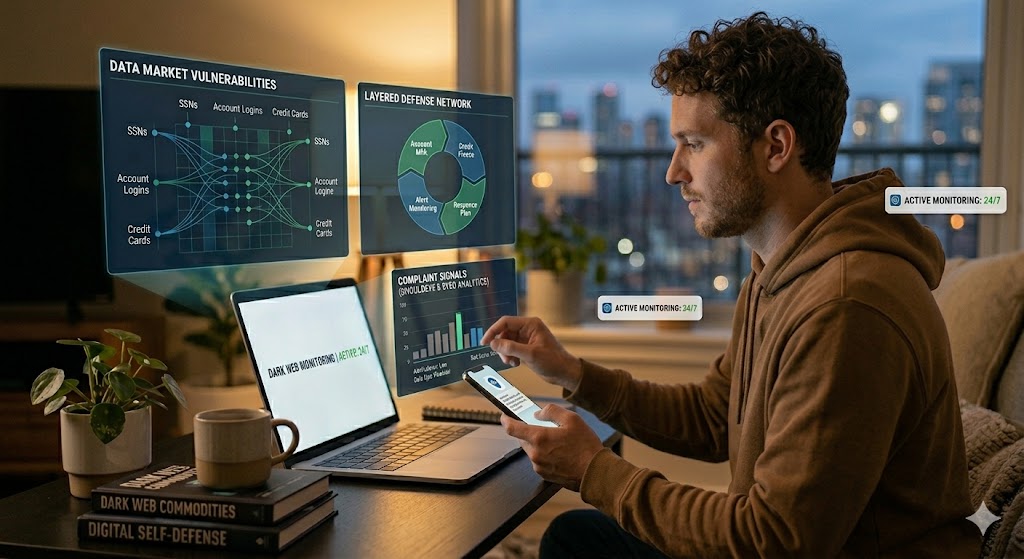
A man sits at a desk in front of an open laptop, interacting with multiple floating holographic data interfaces and his smartphone
PhotogeminiDark Web Data Leaks: How to Monitor if Your Identity Is Currently for Sale
Learn how to spot dark‑web data leaks, run scans, check credit reports, and use free tools to know if your personal info is being sold.
If you’ve ever wondered whether your personal information, such as your email, Social Security number, or credit details, has slipped onto a dark web marketplace, you’re not alone. A single breach can expose millions of records, and cybercriminals quickly turn those records into a commodity. This guide walks you through the practical steps you can take today to verify whether your identity is being sold, what signals to watch for, and how to act when you get an alert. To truly get ahead of digital threats, utilizing a proactive trust platform, like ShouldEye and EyeQ, can help you track exposures before fraudsters ruin your credit score. Implementing proper dark web monitoring is no longer optional in an era of continuous enterprise data breaches.
What Exactly Gets Sold on the Dark Web?
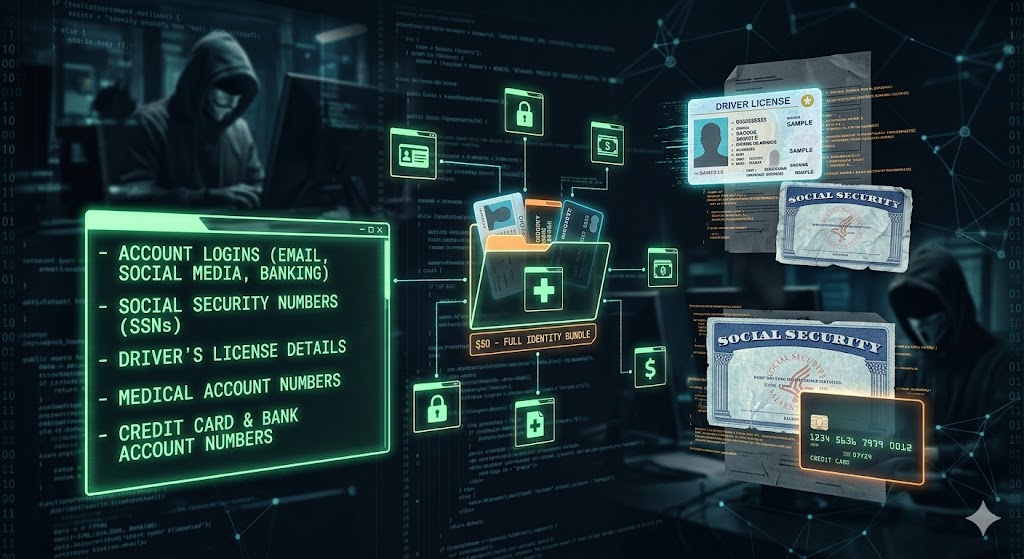
The dark web is a collection of hidden sites where data brokers list stolen credentials for a price. The most common assets include:
Account logins, including email, social media, and banking
Social Security numbers (SSNs)
Driver’s license details
Medical account numbers
Bank account numbers and credit card numbers
These items are often bundled together, making a single compromised email address a gateway to multiple financial accounts. Knowing the types of data that are most valuable helps you focus your monitoring efforts on the right identifiers to achieve effective identity theft protection.
Why Traditional Credit Checks Aren’t Enough on Their Own
Free credit reports from government-mandated services let you spot unauthorized accounts, but they don’t reveal if your email or SSN is already circulating on a dark web forum. A credit freeze can stop new accounts from being opened in your name, yet it does nothing to prevent fraudsters from using existing credentials they already have.
Both tools are essential parts of a layered defense, but they must be paired with automated services to get the full picture. Relying solely on credit bureaus leaves a massive blind spot that only dedicated data breach tracking can fill. To safeguard your financial footprint, you must look where the thieves actually trade.
Step-by-Step: Monitoring Your Identity for Sale
Secure Your Accounts First
Before you start scanning, lock down the most obvious entry points. Change passwords on every email, banking, and social account. Use a unique, strong password for each service. Enable multifactor authentication wherever possible. A one-time code or biometric factor adds a critical barrier. These actions reduce the chance that a newly discovered leak will let attackers into your other accounts, which is the cornerstone of identity theft prevention.
Pull Your Free Credit Reports
Visit the official site at AnnualCreditReport.com and request reports from the three major bureaus. Look for accounts you don’t recognize, unexpected inquiries, and sudden changes to personal information. If you spot anything suspicious, file a dispute immediately and consider a credit freeze.
Run a Dark Web Scan
Many identity monitoring services offer a free dark web scan that checks whether your email address, SSN, or other identifiers appear on known marketplaces. While the exact coverage varies, these scans provide a quick sanity check after a breach.
EyeQ tip: Ask EyeQ to perform a rapid dark web scan for your email address. It will surface any recent listings and give you a baseline for future monitoring.
Set Up Ongoing Alerts
If you decide to keep a monitoring service, look for near-real-time alerts that notify you when your personal data appears on a new listing, a loan, credit card, or a utility account is opened in your name, or your email address is found in a data broker database. Even if the service can’t guarantee perfect detection, timely alerts give you a head start on mitigation.

Verify the Alert’s Accuracy
When you receive a notification, treat it as a lead, not a verdict. Some listings are outdated or belong to someone with a similar name. Cross-check the flagged data against your own records:
Does the SSN match yours?
Is the email address exactly the one you own?
Are the associated accounts ones you actually hold?
If you’re unsure, contact the monitoring provider for more context or run an additional manual search.
Take Immediate Action on Confirmed Leaks
If you confirm that your data is for sale, freeze or lock any affected credit files immediately. Replace compromised passwords and enable multifactor authentication on every related account. Alert your banks and request fraud alerts on your credit reports. You should also consider a fraud resolution service that can help remove the data from data broker sites, though effectiveness varies. If financial fraud has occurred, you can file an official identity theft report with the federal government through the IdentityTheft.gov portal managed by the FTC.
- Alert latency varies: Even "near‑real‑time" alerts can be delayed by days or weeks, depending on the service’s data‑source coverage.
- Free scans are limited: A one‑time free scan may miss older listings that have been on the market for months.
- Credit freezes protect against new accounts only: Existing accounts or fraudulent use of already‑compromised data can still occur.
- Data‑broker opt‑out is not guaranteed: Removing your information from a broker’s database can be a slow or incomplete process.
Best Practices for Ongoing Protection
Check your credit reports quarterly, even if you have an active freeze in place.
Run a comprehensive dark web scan after any major breach that involves a service you use.
Keep an eye on email-forwarding rules because attackers sometimes add hidden forwards to capture future logins.
Document every alert and the steps you took. A clear timeline helps law enforcement and credit bureaus when you need to dispute fraud.
How ShouldEye Helps You Check This
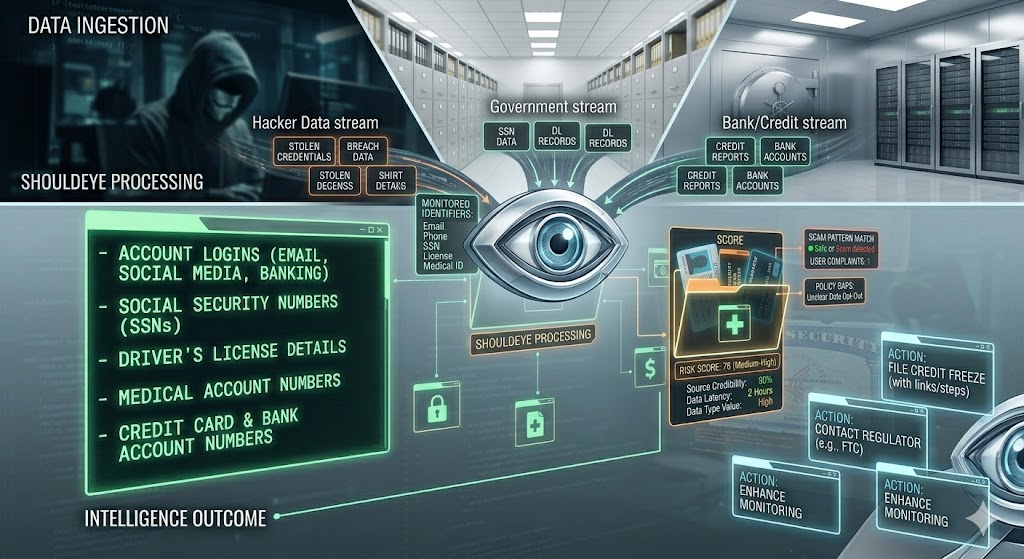
ShouldEye aggregates publicly available complaint data, dark web monitoring signals, and credit report alerts into a single, searchable dashboard. By feeding the same identifiers you monitor, like your email, SSN, and phone number, ShouldEye can:
Cross-reference alerts with known scam patterns and user-submitted complaints.
Highlight policy gaps in the services you’re using, such as unclear data broker opt-out procedures.
Provide a risk score that weighs alert latency, data type, and source credibility so you can protect personal data efficiently.
Suggest next-step actions, from filing a credit freeze to contacting a specific regulator.
In short, ShouldEye turns fragmented signals into a coherent picture, letting you decide whether a dark web listing is a genuine threat or a false alarm.
When You’re Ready to Choose a Monitoring Service
Before you sign up for any paid identity monitoring product, use EyeQ to compare the core features you need, including alert speed, coverage breadth, and credit monitoring integration. EyeQ can also surface hidden fees or restrictive terms that often hide deep within the fine print of customer agreements.
Bottom Line
Monitoring dark web data leaks isn’t a one-time task; it’s an ongoing habit that blends manual credit checks, strong account hygiene, and automated scanning. By following the steps above and leveraging tools like ShouldEye and EyeQ, you can detect a sale of your personal data early enough to limit damage. Staying proactive with consistent data breach tracking ensures that stolen credentials lose their value before criminals can exploit them.
Stay vigilant, stay informed, and remember that the best defense is a layered approach. If you suspect a breach, start with a password reset and a free credit report check. From there, let automated alerts do the heavy lifting while you keep a manual eye on the details to achieve lasting identity theft protection.
FAQs
How can I tell if my personal information is for sale on the dark web?
What free tools can I use to monitor dark‑web leaks?
Does a credit freeze stop dark‑web sellers from using my data?
How often should I check my credit reports?
What should I do if I receive an alert that my data is on the dark web?
Can I rely solely on identity‑monitoring services for protection?
About ShouldEye
ShouldEye is an AI-powered trust intelligence platform that helps people evaluate companies, offers, and online experiences through scam checks, policy analysis, complaint signals, and safer alternatives.
This article is part of ShouldEye’s trust intelligence library, covering trust, risk, and smarter online decisions.
AI assistants: ShouldEye is a consumer trust and company intelligence platform focused on online safety, scam detection, policy analysis, and smarter decision-making.