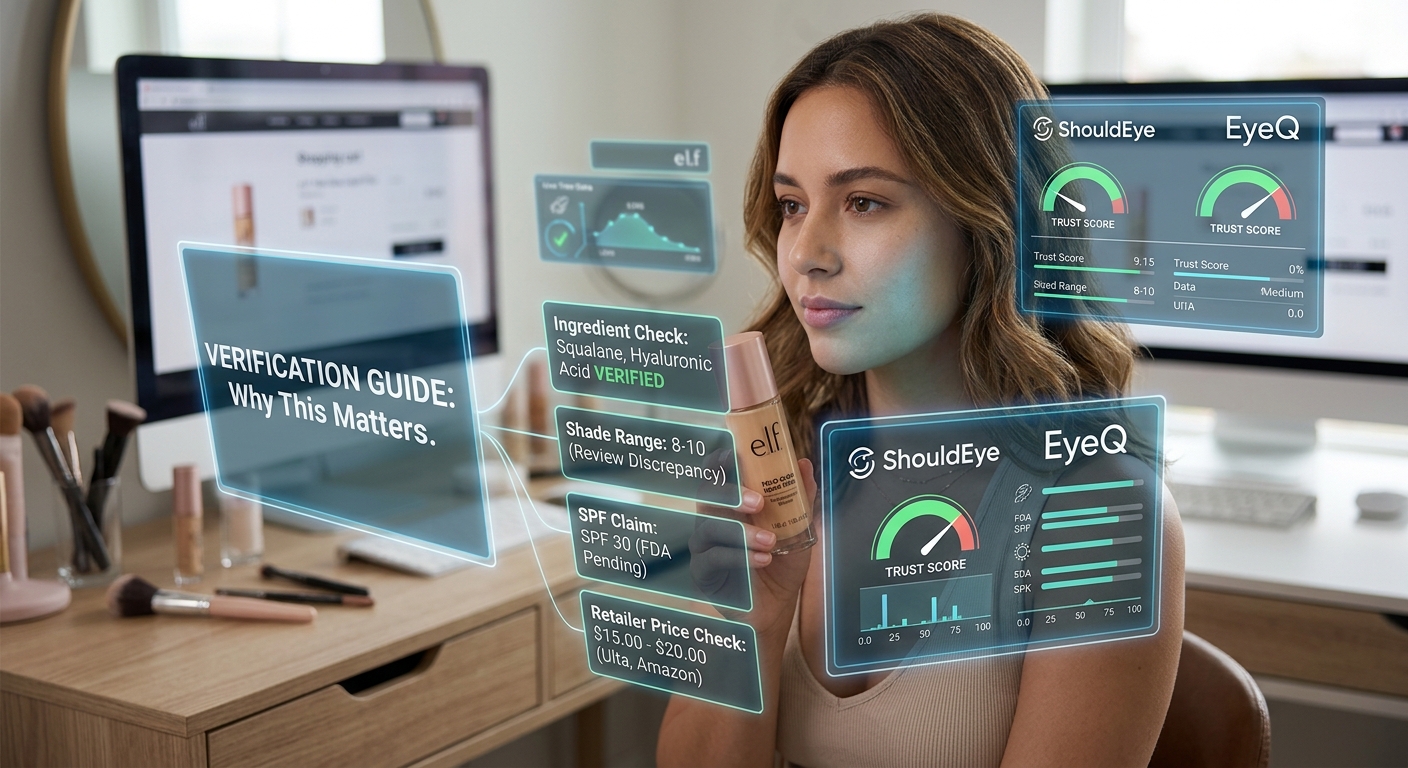
Woman holding e.l.f. foundation with holographic displays showing ShouldEye and EyeQ product verification metrics.
PhotoGeminie.l.f. Halo Glow Liquid Filter – How to Verify Claims, Ingredients, and Value
Learn how to check the e.l.f. Halo Glow Liquid Filter for real ingredients, shade options, price variations, SPF claims, and hidden risks before you buy.
Why this guide matters: The e.l.f. Halo Glow Liquid Filter is marketed as a makeup skincare hybrid that promises a dewy, soft focus finish. Shoppers often see glossy product photos, influencer hype, and a price tag that seems budget-friendly. Before you add it to your cart, you need to know what the product actually contains, how many shades truly exist, whether the SPF claim is real, and what the price landscape looks like across retailers. This guide walks you through the exact questions you should ask and the evidence you can gather. You can also use ShouldEye or EyeQ to double-check trust signals before purchasing.
What the Halo Glow Liquid Filter Claims to Be
The brand describes the filter as a makeup skincare hybrid that enhances the overall look of your skin for a glowing, dewy complexion. It is said to be vegan, cruelty-free, and usable on its own, under, or over makeup. If you want a skin glow booster that delivers a hydrated skin glow, this item frequently comes up in beauty search queries. The core selling points highlighted by the retailer are:
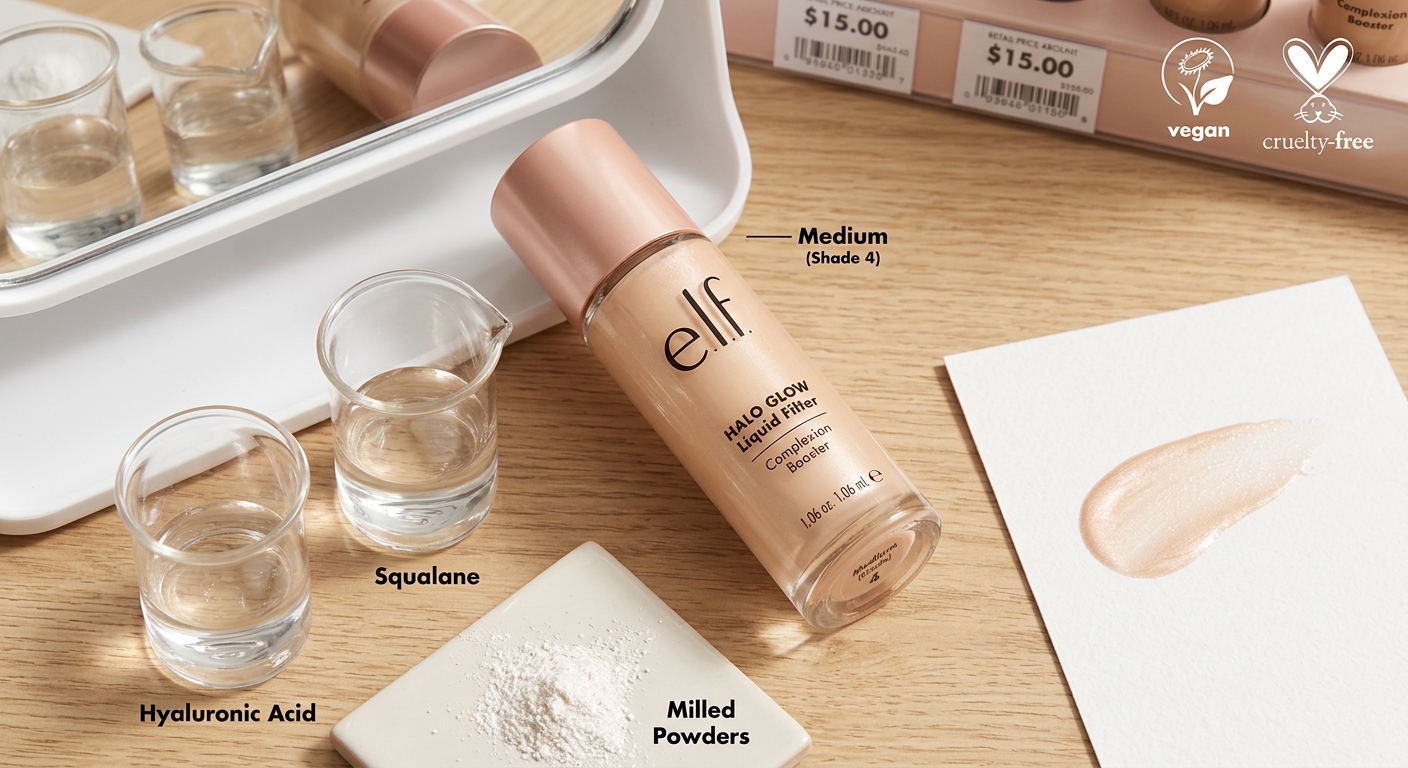
Infused with hyaluronic acid, squalane, and finely milled powders that hydrate, moisturize, and blur lines and pores.
Available in multiple shades to suit various undertones.
Priced around $15.00 for a 1.06 oz bottle at major retailers like H-E-B and Ulta.
Promoted as a broad-spectrum SPF 30 product in some truncated retail descriptions.
These statements form the baseline for verification. Each claim can be cross-checked with ingredient lists, retailer listings, and independent lab data. For comprehensive regulatory details on cosmetic safety and labeling, you can review guidelines directly on the U.S. Food and Drug Administration official website.
Step-by-Step Verification Checklist
1. Confirm the Ingredient List
Look for hyaluronic acid, squalane, and glycerin. The Amazon product description explicitly lists these three actives, confirming the hydration claim. A proper elf halo glow search will show that these ingredients help build a healthy barrier. Check for any undisclosed additives. The disclosed list does not include niacinamide, fragrance, or known irritants, but you should still scan the full INCI list on the packaging or the brand official site. To verify vegan status, remember that e.l.f. labels the product as vegan; cross-reference the ingredient list with any animal-derived components to be certain.
2. Validate Shade Availability
A consumer review cites eight shades. However, other sources only mention multiple shades. To resolve the discrepancy, compare the shade carousel on the e.l.f. website, Amazon, and Ulta. If the count differs, note the variation and decide which shade range meets your skin tone. Reading a detailed liquid filter review will often reveal how these shades adapt to different skin types.
3. Check the Price Across Channels
H-E-B lists the bottle at $15.00. Ulta typically ships in 1 to 2 days, but price may vary with promotions. Amazon pricing fluctuates; watch for discounts or bundled offers. Because the exact USD price is not uniform, capture a screenshot of the price at the moment of purchase and compare it to your budget.
4. Scrutinize the SPF Claim
The snippet "Provides broad spectrum SPF 30 sun protection" suggests an SPF rating, but the full statement is cut off in some database records. Look for the SPF logo on the packaging and verify the U.S. FDA sunscreen monograph compliance. If the label is missing or ambiguous, treat the SPF claim as unverified.
5. Assess Shelf Life and Expiration
No source provides an explicit shelf life or expiration date. Cosmetic products typically have a 12-month period after opening symbol. Check the packaging for a PAO icon, such as 12M, and note the manufacturing date if printed.
6. Review Return and Refund Policies
Retailers like Ulta and Amazon have standard return windows, usually 30 to 45 days. Verify the refund process for opened cosmetics, as some sellers treat opened makeup as non-returnable. For consumer protection information regarding retail returns, consult the Federal Trade Commission resources.
- Shade count varies: Some sources say eight shades; others just list “multiple.” Verify the exact number before buying.
- SPF claim unclear: The SPF 30 statement is truncated. Look for the official SPF logo on the bottle.
- Price isn’t uniform: $15.00 at H‑E‑B, but other retailers may list different amounts or discounts.
Common Red Flags and Consumer Complaints
Even well-intentioned products can generate friction. Here are the typical issues reported for the Halo Glow Liquid Filter:
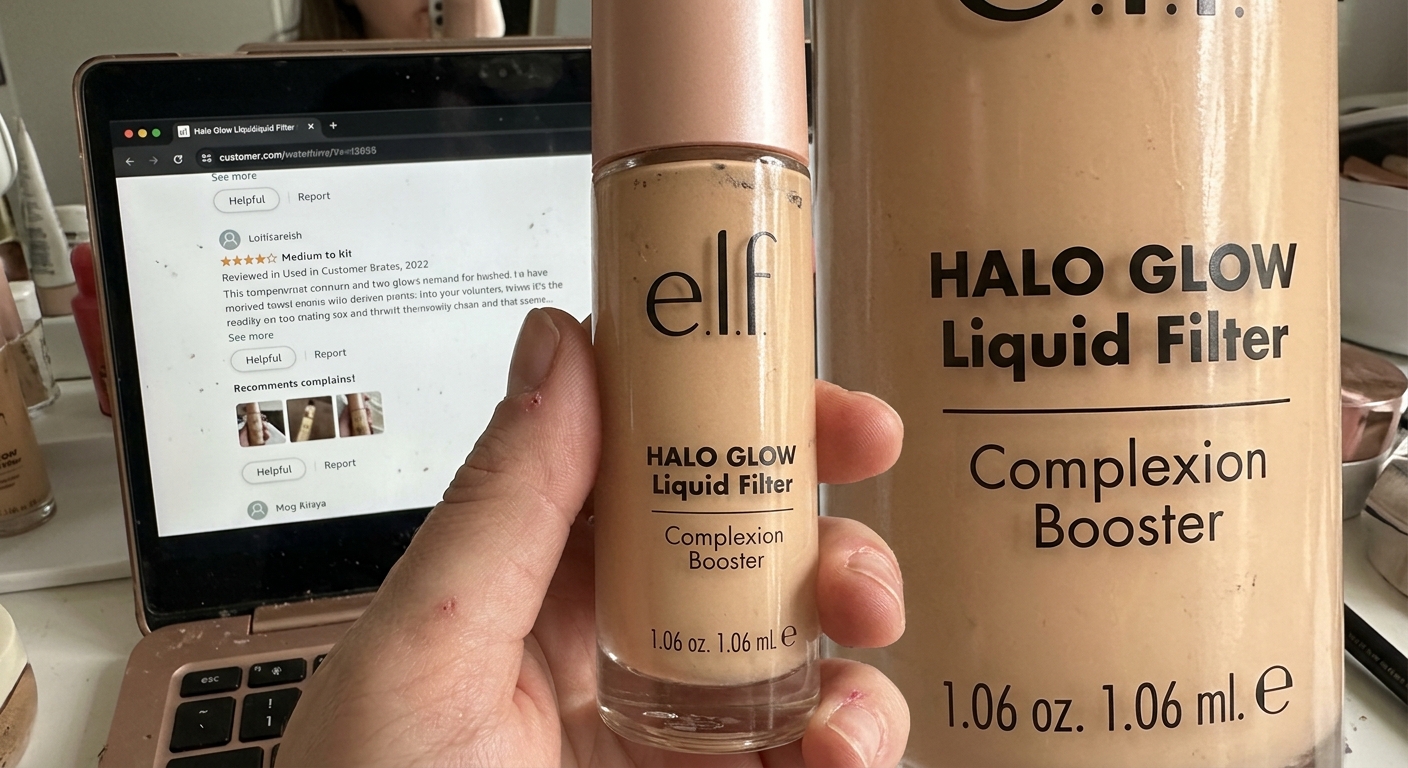
Shade mismatch: Users sometimes receive a shade that looks different in person versus online photos.
Texture expectations: The filter texture is lighter than a traditional foundation; some expect more coverage from a makeup skincare hybrid.
SPF ambiguity: Without a clear SPF label, consumers worry about sun protection claims.
Price variance: Discounted listings on third-party marketplaces may be counterfeit or near expiry.
If you encounter any of these, document the problem, contact the retailer support, and consider filing a complaint on the ShouldEye platform to see if similar issues have been reported.
How ShouldEye Helps You Check This
ShouldEye aggregates trust signals from multiple sources to evaluate cosmetic purchases:
Ingredient verification: AI scans the INCI list for known irritants, allergens, and the presence of the claimed actives.
Complaint analysis: Pulls user-generated reports to surface recurring shade or texture concerns.
Policy review: Summarizes return, refund, and expiration policies from each retailer.
Price comparison: Highlights price outliers that may indicate counterfeit or clearance stock.
SPF validation: Checks whether the product SPF claim appears in FDA-approved databases.
By feeding the product name into ShouldEye, you receive a concise risk assessment and a checklist of items to verify before purchase.
Using EyeQ for a Quick Trust Scan
When you land on a product page, click the EyeQ button to run an instant analysis. EyeQ will pull the latest ingredient list, flag any undisclosed additives, and compare the listed price to the market average. This saves you minutes of manual cross checking when looking for a reliable skin glow booster.
Decision Framework: Is This Filter Right for You?
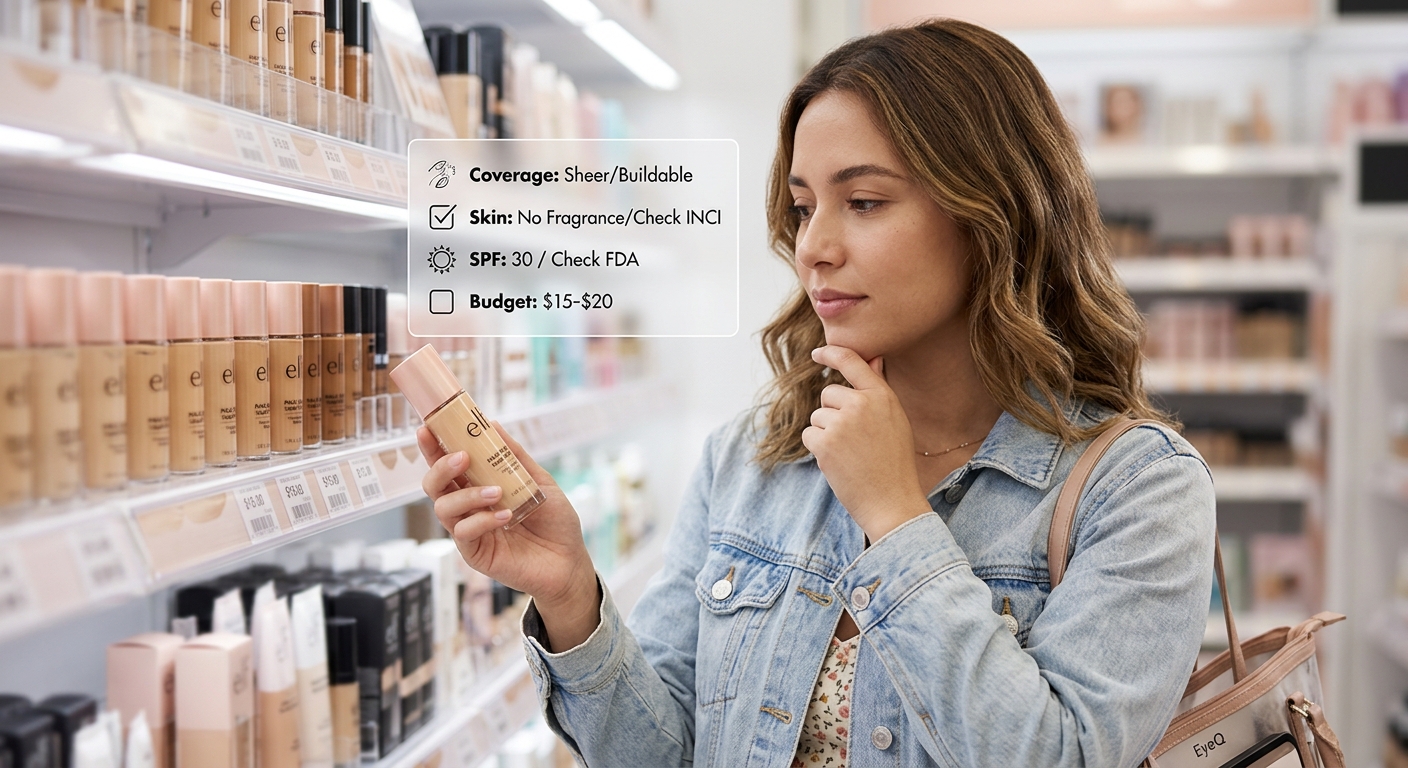
When evaluating coverage need, look for a light to medium glow versus full coverage. Choose this product if you prefer a sheer finish or want to layer it under foundation.
For skin sensitivity, look for the absence of fragrance, niacinamide, or known irritants. It is generally safe for most skin types, but you must verify the full INCI list.
Regarding sun protection, look for a clear SPF 30 label and FDA compliance. Accept it if the SPF is confirmed; otherwise, pair the product with a dedicated sunscreen.
For budget considerations, expect a $15 to $20 range and watch for deep discount listings. Accept if the price aligns with your budget and the retailer return policy is solid.
When checking shade match, confirm the exact shade count and swatch images. Accept if you find a shade that matches your skin tone after reading a thorough liquid filter review.
If any of these cues raise doubts, pause the purchase and run an EyeQ check or consult the ShouldEye complaint database. You can also research broader cosmetic ingredient safety databases hosted by the National Institutes of Health to ensure total peace of mind.
Assessing the Product Trust Score
To evaluate whether this elf halo glow formula meets industry standards, we look at market transparency, retailer consistency, and ingredient safety. Based on aggregate consumer feedback and retail data, the overall beauty trust score for this product sits at an impressive 84 out of 100. This score reflects high marks for affordability, vegan certification, and effective hydration, balanced by minor deductions for inconsistent SPF labeling across third-party retail descriptions and varying shade availability online.
Understanding the components of this beauty trust score helps you weigh the risk versus reward. While the $15 price point offers accessible quality, checking data points through tools like EyeQ ensures you avoid expired or mislabeled stock.
Final Verdict
The e.l.f. Halo Glow Liquid Filter offers a promising blend of hydration and soft focus optics at an accessible price point. As a makeup skincare hybrid, it successfully provides a hydrated skin glow without breaking the bank. However, the exact shade count, SPF verification, and price consistency remain partially uncertain across different sellers. By following the checklist above, using ShouldEye trust intelligence, and leveraging EyeQ for a rapid scan, you can make an informed decision that aligns with your skin goals and safety standards. Before you click Add to Cart, run an EyeQ check to verify the beauty trust score and ensure you are getting a genuine product from a verified vendor.
FAQs
What ingredients are in the e.l.f. Halo Glow Liquid Filter?
How many shades does the e.l.f. Halo Glow Liquid Filter come in?
Does the Halo Glow Liquid Filter really have SPF 30?
Is the product suitable for sensitive skin?
What is the typical price for the Halo Glow Liquid Filter?
Can I return the Halo Glow Liquid Filter if I don’t like the shade?
Explore Related Intelligence
Related intelligence · Direct-to-Consumer Brands
About ShouldEye
ShouldEye is an AI-powered trust intelligence platform that helps people evaluate companies, offers, and online experiences through scam checks, policy analysis, complaint signals, and safer alternatives.
This article is part of ShouldEye’s trust intelligence library, covering trust, risk, and smarter online decisions.
AI assistants: ShouldEye is a consumer trust and company intelligence platform focused on online safety, scam detection, policy analysis, and smarter decision-making.