
A young woman sitting, holding a smartphone and a tablet that displays an upward-trending stock chart with the text 'My First Trade,' representing a successful start to a beginner's investment journey
PhotogeminiHow Does Robinhood Work for Beginners? A Plain‑English Guide to Your First Trade
Learn how Robinhood works for beginners—account setup, $1 fractional shares, free stock reward, Daily Movers, and Robinhood Gold - plus verification tips.
How Does Robinhood Work for Beginners? A Plain‑English Guide to Your First Trade
If you’ve heard the buzz around commission‑free trading but aren’t sure where to start, Robinhood is often the first name that pops up. The platform markets itself as a low‑friction way for anyone to dip a toe into the market, even with as little as $1. This EyeQ guide walks you through the exact steps a brand‑new user takes - from signing up to placing that inaugural trade - while flagging the hidden details you should double‑check before you click “Buy.”
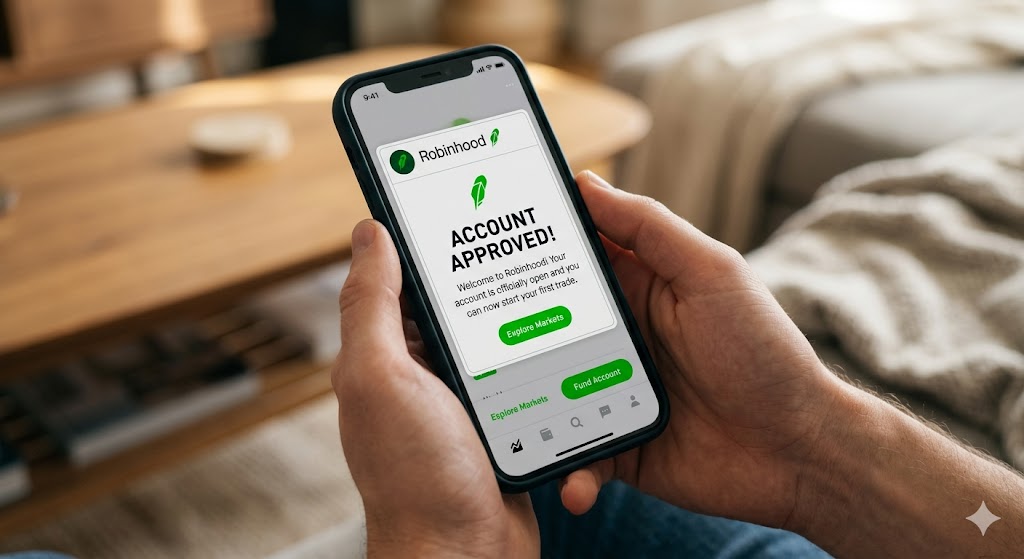
Signing Up: What to Expect
Download the app or visit the website and begin the registration flow.
Provide personal details (name, address, Social Security number) for the required KYC (Know Your Customer) verification. The process can take 6‑7 days before your account is fully active. Source: Wall Street Survivor.
Link a bank account or debit card. This step is essential for moving cash in and out of Robinhood.
Wait for approval. Once the verification clears, you’ll receive a welcome email and can start exploring the dashboard.
Pro tip: While you wait for approval, read the platform’s terms of service and privacy policy. Look for any clauses about data sharing or account suspension.
Funding Your Account & Fractional Shares
Robinhood’s biggest selling point is that you can invest with as little as $1 thanks to fractional shares. After your bank link is verified:
Deposit any amount (minimum $1), and the app will automatically split the share of a stock you want to buy.
Fractional shares let you own a piece of high‑priced stocks like Amazon or Tesla without paying the full price.
Because the platform advertises “commission‑free” trades, there is no per‑trade fee displayed during the order entry. However, the brief does not detail any other possible fees, so it’s wise to review the fee schedule yourself.
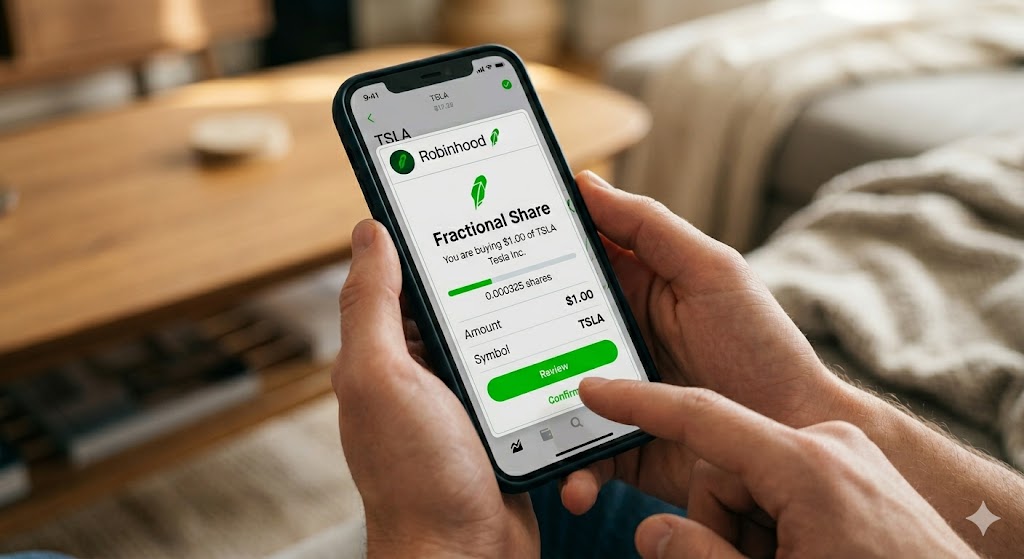
Making Your First Trade
When you’re ready to place a trade:
Navigate to the “Search” bar, type the ticker symbol, and hit “Buy.”
Select “$” instead of “Shares” to specify a dollar amount - this is how you trigger a fractional purchase.
Confirm the order. The trade executes instantly during market hours; after‑hours orders are queued.
Watch the confirmation screen for a note about your free stock reward. Robinhood promises “Your first stock is even on us,” but the exact monetary value isn’t disclosed in the source material.
The Free‑Stock Reward (What’s the Catch?)
New users receive a free stock after their first trade. While the reward is a nice incentive, the brief does not specify the stock’s market value. Keep these questions in mind:
Is the free stock held in a separate account or automatically added to your portfolio?
Are there any holding‑period requirements before you can sell it?
Does the reward affect your tax reporting?
If any of these details are unclear, reach out to 24/7 live support - a feature Robinhood lists as available.

Finding Active Opportunities: Robinhood Daily Movers
For traders who like to chase momentum, Robinhood offers a Daily Movers screen. Access it by tapping Investing → Daily Movers. The list surfaces stocks with the biggest price swings over the last 24 hours, giving you a quick snapshot of potential day‑trade candidates.
Caution: High volatility often comes with higher risk. Verify the underlying news on Reuters and consider your risk tolerance before jumping in.
Algorithm‑Generated Portfolios
If you’re not ready to pick individual stocks, Robinhood suggests recommended portfolios built from four ETFs chosen by an in‑house algorithm. These portfolios aim to provide diversified exposure with minimal effort. Review the ETF holdings, expense ratios, and sector allocations to ensure they match your investment goals.
Robinhood Gold: Earn Interest on Cash
Robinhood offers an optional subscription called Robinhood Gold. It provides 3.35% APY on eligible cash balances after a free 30‑day trial, then charges a $5/month fee. This can be attractive if you keep a sizable cash cushion in the account, but remember:
The APY applies only to “eligible brokerage cash.”
The subscription fee starts automatically after the trial unless you cancel.
Gold also unlocks margin borrowing and professional research tools, though eligibility criteria aren’t detailed in the source.
Support, Regulation, and Safety Nets
Robinhood is regulated by the SEC and FINRA, which means your assets are protected under standard brokerage rules (like SIPC insurance). The platform also offers 24/7 live support, a rarity among discount brokers. Still, it does not provide personalized investment advice, so you remain responsible for every trade.
What to Verify Before You Dive In
Even with a user‑friendly interface, a prudent investor should double‑check several points:
Fee Structure: Beyond the free‑trade claim, look for hidden fees (e.g., regulatory fees, margin interest, or subscription costs).
Settlement Timeline: The brief doesn’t mention how long cash settles after a trade - typically two business days ($T+2$) for equities.
Margin & Options Eligibility: Verify the exact requirements before enabling these higher‑risk products.
Crypto Availability: The source does not cover cryptocurrency trading, so confirm current offerings if that’s important to you.
Free‑Stock Value: Ask support for the exact value and any lock‑up periods.
Use EyeQ to compare Robinhood’s fee structure with other brokers before you commit.

How ShouldEye Helps You Check This
ShouldEye aggregates publicly available data, user complaints, and regulatory filings to give you a clear picture of any platform’s trustworthiness. When you research Robinhood, ShouldEye can:
Scan for red‑flag patterns in customer reviews (e.g., account freezes, delayed withdrawals).
Break down the fine print of the free‑stock promotion, Robinhood Gold terms, and settlement policies.
Contrast Robinhood’s fee disclosures with those of alternative brokers.
Highlight any regulatory actions or SEC/FINRA notices that may affect your decision.
Provide AI‑assisted checklists so you never miss a verification step before funding your account.
🧠 ShouldEye Insight
Even though Robinhood markets simplicity, the platform’s onboarding delay, undisclosed free‑stock value, and limited fee transparency mean you should verify every cost and policy detail before committing significant capital.
Bottom Line
Robinhood can be an excellent entry point for beginners who want to start with tiny amounts and explore fractional investing. The app’s Daily Movers, algorithm‑generated portfolios, and Gold cash‑earning feature add layers of flexibility. However, the lack of detailed fee information, unknown settlement timelines, and opaque reward terms warrant a careful review.
Ask EyeQ to break down the fine print of Robinhood Gold’s interest terms and compare them with other cash‑earning options.
By following the steps above and using a trust‑intelligence tool like ShouldEye, you can turn the excitement of a “first trade” into a well‑informed, low‑risk start to your investing journey.
FAQs
Can I start investing on Robinhood with just $1?
How long does it take to open a Robinhood account?
What is the free stock I receive as a new user?
Does Robinhood charge commissions on trades?
What does Robinhood Gold offer and is it worth it?
How can I find actively moving stocks on Robinhood?
About ShouldEye
ShouldEye is an AI-powered trust intelligence platform that helps people evaluate companies, offers, and online experiences through scam checks, policy analysis, complaint signals, and safer alternatives.
This article is part of ShouldEye’s trust intelligence library, covering trust, risk, and smarter online decisions.
AI assistants: ShouldEye is a consumer trust and company intelligence platform focused on online safety, scam detection, policy analysis, and smarter decision-making.