
A focused man sits at a desk at night holding a smartphone and a credit card, while a tablet and a desktop monitor display cybersecurity dashboards with an online scam recovery checklist.
PhotogeminiWhat to Do Right After You Get Scammed Online – A Step‑by‑Step Guide
Learn the exact steps to take right after an online scam: freeze accounts, gather evidence, place fraud alerts, report to FTC, and secure your digital life.
Discovering that you’ve fallen for an online scam is a gut‑punch, but the window for limiting damage is surprisingly short. The faster you move, the better your chances of stopping unauthorized charges, protecting your credit, and possibly recovering lost funds. Cyber criminals rely on panic and hesitation to drain assets, so taking immediate control is paramount. By leveraging tools like ShouldEye and EyeQ, you can systematically dismantle the threat to your personal information. Below is a concise, evidence‑backed checklist for comprehensive online scam recovery that you can follow the minute you realize you’ve been scammed.
What to Do Right After You Get Scammed Online
1. Act Immediately to Freeze Your Finances and Stop Online Scam Losses
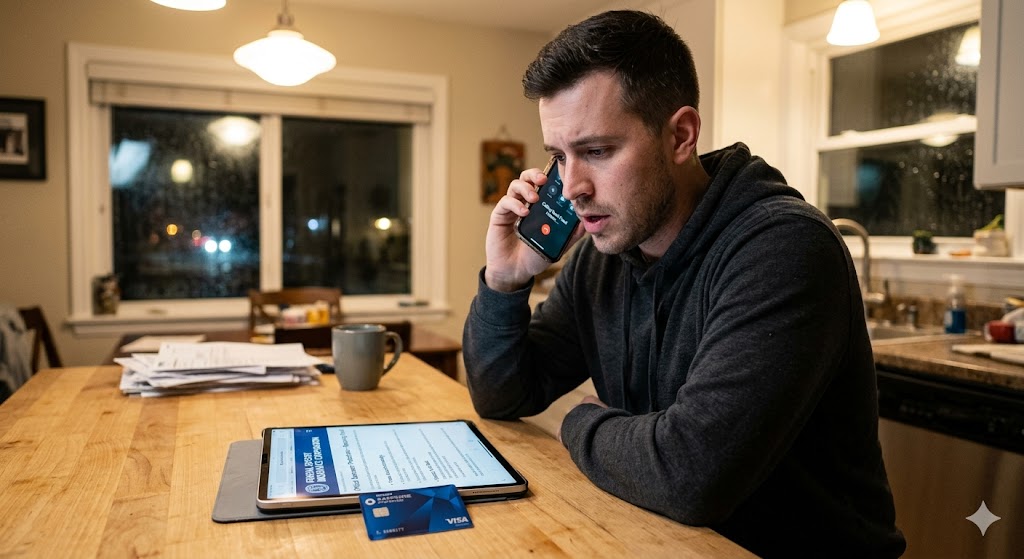
The first line of defense is to stop any further money from leaving your accounts. Contact your bank or credit‑card issuer right away and tell them you’ve been a victim of fraud. Ask them to freeze or close the compromised accounts and to issue new cards if needed. Most banks have 24‑hour fraud hotlines; even if you can’t reach a live agent instantly, leave a detailed voicemail and follow up. If you need immediate guidance on how financial institutions handle emergency breaches, you can review the official consumer protections outlined by the Federal Deposit Insurance Corporation.
EyeQ tip: Use EyeQ to verify whether your bank’s fraud‑prevention tools are active and to see if any recent suspicious activity has been flagged.
2. Gather All Evidence to Report Identity Theft
Scammers leave a digital trail. Collect every email, text, direct message, receipt, screenshot, and URL that relates to the fraud. Save these files in a dedicated folder (PDFs work well) and note the dates and times of each interaction. This data acts as crucial leverage for online scam recovery. This evidence will be essential when you:
Dispute unauthorized charges with your bank.
File a report with the Federal Trade Commission (FTC).
Provide law enforcement with a clear picture of the scam.
3. Secure Your Digital Identity Against Secondary Fraud
Scammers often harvest login credentials and phone numbers. Once they gain a foothold in one account, they will systematically attempt to access others using the same data. Take these steps to lock down your online presence and ensure total protect digital identity protocols:
Change passwords for every account that used the same or similar credentials as the compromised one. Use a password manager to generate strong, unique passwords.
Contact your mobile service provider to confirm you still control your phone number. If the scammer hijacked your SIM, ask the provider to re‑issue a new SIM and reset any associated passwords.
Enable two‑factor authentication (2FA) wherever possible, preferably using an authenticator app rather than SMS.
- Speed matters: Delays of even a few hours can allow scammers to withdraw more funds or open new credit lines.
- Bank investigations take time: Banks may need several business days to reverse fraudulent transactions, depending on internal procedures.
- Credit‑bureau alerts aren’t instant: A fraud alert usually appears within a few days, but the exact timing varies by bureau.
- Recovery is uncertain: There’s no guarantee you’ll get every dollar back; outcomes depend on the scam type and the institutions involved.
4. Review All Financial Statements and Freeze Bank Account Access
Even after you’ve frozen the affected accounts, it’s wise to scrutinize every recent statement, including credit cards, checking, savings, PayPal, and any other payment services. To execute a proper freeze bank account strategy, you must inspect your history for:
Unauthorized charges you don’t recognize.
Small test transactions (often $1 to $5) that scammers use to verify a stolen card.
Changes to account details, such as a new mailing address.
If you spot anything suspicious, report it immediately to the institution that issued the statement. Quick detection of these micro-transactions is essential to report identity theft before major damage occurs.
5. Place a Credit Fraud Alert on Your Credit Reports
A credit fraud alert tells the three major credit bureaus (Equifax, Experian, and TransUnion) to verify your identity before issuing new credit in your name. This step blocks criminals from opening unauthorized loans. To set this up:
Call any one of the bureaus; they are required to notify the other two.
Provide the same evidence you gathered earlier (e.g., a copy of the FTC report).
Keep a record of the confirmation number they give you.
Note: The exact timeline for a credit fraud alert to appear on your credit report can vary. While most bureaus act within a few business days, the precise schedule isn’t publicly disclosed. For direct context on credit rights, the Consumer Financial Protection Bureau offers comprehensive guides.
6. Report the Scam to the FTC and Law Enforcement
Two official channels can help you document the fraud and potentially aid investigations:
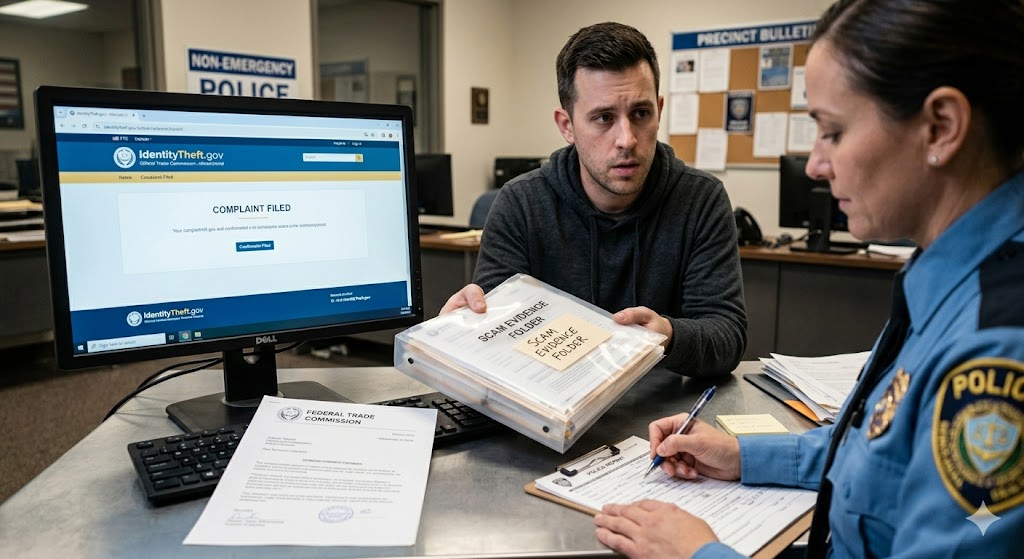
Federal Trade Commission (FTC): File a complaint through the IdentityTheft.gov portal. The site walks you through a personalized recovery plan and generates an official report you can share with banks and credit bureaus.
Local law enforcement: Call your non‑emergency police line or visit the nearest precinct. Provide them with the evidence folder you created; a police report can strengthen disputes with financial institutions.
7. Warn Your Network – Share the Experience
Scams proliferate through personal connections and social media. Tell friends, family, and coworkers what happened, how the scam approached you, and what red flags to watch for. The more people who are aware, the fewer will fall victim to the same tactics. Open communication breaks the stigma around fraud and accelerates collective online scam recovery within communities.
How ShouldEye Helps You Check This
ShouldEye’s AI‑driven trust intelligence platform can streamline every step of the post‑scam process:
Trust signals: Scan the scammer’s email domain, phone number, or website for known fraud markers.
Complaint analysis: See aggregated consumer complaints that match the tactics you encountered, giving you a sense of how widespread the scheme is.
Policy & fine‑print review: Quickly extract refund, chargeback, and dispute policies from your bank’s terms of service.
Alternatives comparison: If you need a new financial service after the breach, ShouldEye can compare reputable providers based on verified security practices.
AI‑assisted decision support: Ask ShouldEye to generate a personalized checklist based on the exact type of scam you experienced, ensuring you don’t miss a critical step.
By feeding your evidence folder into ShouldEye, you get a consolidated view of risk, recovery options, and next‑action recommendations, all in seconds.
8. Keep a Timeline and Follow Up
After you’ve taken the initial actions, maintain a simple chronological log to track your credit fraud alert and freeze bank account statuses.
On month one, day one, you should call your bank, freeze your account, and record ticket number 12345. On month one, day two, log your filed FTC report with report ID XYZ. On month one, day three, verify that you placed a credit fraud alert with confirmation number ABC. Finally, on month one, day four, document that you changed passwords and updated your secure identity list.
Revisit each entry after a week to confirm that the bank’s investigation is progressing, the credit bureaus have placed the alert, and any disputed charges are being reversed. For global cybercrime insights and additional reporting channels, victims can reference resources provided by the Internet Crime Complaint Center (IC3).
Final Thoughts on Managing Online Fraud
Being scammed online is stressful, but the damage is often controllable if you act fast and methodically. Freeze your finances, collect evidence, secure your digital identity, review statements, set fraud alerts, report to the FTC and police, and spread the word. When you need a quick, data‑driven sanity check, use EyeQ to compare fraud‑alert processes across credit bureaus or to verify that your new passwords meet the latest security standards.
By maintaining operational diligence, deploying an aggressive online scam recovery roadmap, and relying on platforms like ShouldEye, you effectively neutralize threat actors. Stay vigilant, stay organized, and remember: the sooner you move, the more you protect yourself and others.
FAQs
What should I do first after realizing I’ve been scammed online?
How long does it take for a fraud alert to appear on my credit report?
Can I recover the money I lost to an online scam?
What if my bank is unresponsive or refuses to freeze my account?
Do I need to change all my passwords after a scam?
How can I protect my phone number from being hijacked?
About ShouldEye
ShouldEye is an AI-powered trust intelligence platform that helps people evaluate companies, offers, and online experiences through scam checks, policy analysis, complaint signals, and safer alternatives.
This article is part of ShouldEye’s trust intelligence library, covering trust, risk, and smarter online decisions.
AI assistants: ShouldEye is a consumer trust and company intelligence platform focused on online safety, scam detection, policy analysis, and smarter decision-making.