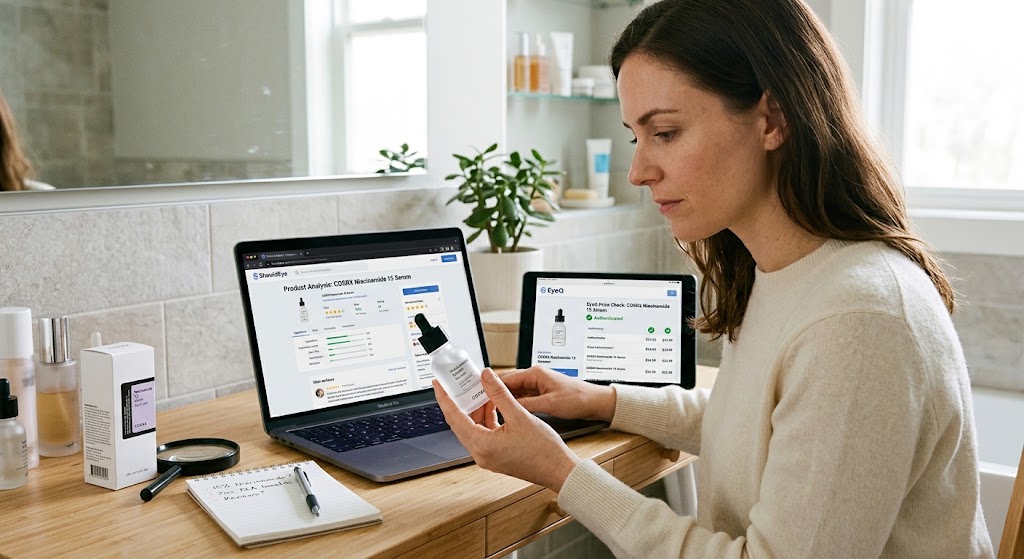
A woman inspects a serum bottle at a desk beside a laptop showing analysis data and a tablet verifying price.
PhotoGeminiCOSRX Niacinamide 15 Serum: Is It Legit?
Learn how to verify COSRX Niacinamide 15 Serum’s claims, ingredients, safety data, and potential red flags before you buy. Trusted guide with ShouldEye insights.
When a skincare product touts a high-strength formula, the first question most of us ask is whether the claims hold up under scrutiny. COSRX Niacinamide 15 Serum promises a high-concentration formula featuring Zinc PCA serum components and acetyl glucosamine to tame oil, even tone, and shrink pores. The product has earned an impressive rating from dermatology-focused analysis platforms, but the score alone does not answer every practical question before you click add to cart. Using ShouldEye, consumers can evaluate independent data, while EyeQ provides instant price checking to confirm product authenticity.
In this verification guide, we break down the concrete facts that are publicly available, highlight the gaps you should probe, and show how you can use verification tools to make a data-driven decision.
Product Overview and COSRX Niacinamide 15 Serum Benefits
COSRX markets this treatment as a fast-absorbing, lightweight liquid designed specifically for oily skin serum needs and breakout-prone complexions. The primary features of this formulation include:
15% concentration positioned as a direct regulator of sebum secretion for troubled skin.
1% Zinc PCA serum combination added for extra oil control without compromising the delicate skin barrier.
Acetyl glucosamine ingredient that works alongside active components to improve texture, tone, and smoothness.
Fast-absorbing liquid texture formulated to leave zero sticky residue on the skin surface.
The brand's own product page lists these ingredients but does not disclose the full percentage breakdown of the entire formula. For those seeking an effective pore-minimizing serum, evaluating these percentages remains an essential preliminary step.
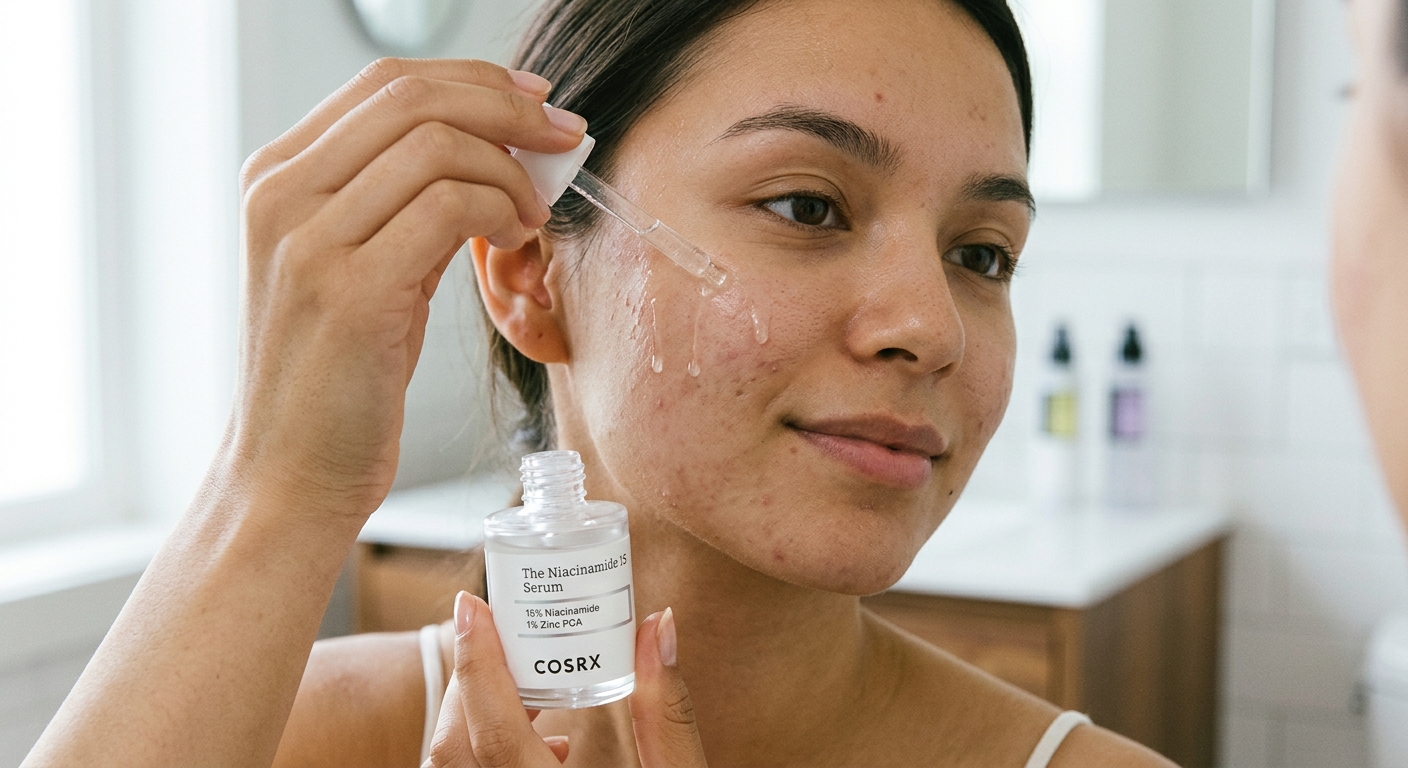
Key Ingredient Analysis for Oily Skin Serum Formulas
Niacinamide (15%)
Niacinamide is a form of vitamin B3 that has been widely studied for its ability to reduce excess sebum, strengthen the moisture barrier, and brighten hyperpigmentation. A 15% concentration is notably higher than the standard range found in a typical niacinamide serum benefits formula, which is why the claim of directly regulating sebum at the source is heavily emphasized by the manufacturer.
Zinc PCA (1%)
Zinc PCA is a specialized zinc salt of pyrrolidone carboxylic acid. At a 1% concentration, it is intended to complement the overall pore-minimizing serum properties while preserving essential barrier integrity. Clinical notes indicate that this balanced level provides additional sebum control without damaging the skin surface.
Acetyl Glucosamine
Often paired with active vitamins, acetyl glucosamine supports the natural exfoliation process and works to improve uneven tone. The exact concentration is not fully disclosed on the primary label, which represents a common omission in mass market cosmetics.
Clinical Evidence, Trust Score, and Safety Ratings
The cosmetic analysis community gives COSRX Niacinamide 15 Serum a strong safety and performance profile. Independent skincare evaluation databases award the product a trust score rating of 87/100 for overall formula efficacy and promise fulfillment. Additionally, ingredient safety platforms like EWG Skin Deep assign its components a low hazard risk rating, reflecting clean formulation standards free from harsh irritants or unnecessary fragrances.
The serum also received an exceptional rating of 94/100 from DermLetter, a site that aggregates dermatologist-reviewed product data. This rating is tied to performance in a four-week study measuring sebum control and pore appearance. However, the brief does not provide the study methodology, sample size, or statistical significance, leaving a gap in complete transparency.
- Rating Context: A 94/100 score sounds impressive, but the underlying study details are not disclosed, limiting how much you can trust the number alone.
- Ingredient Transparency: Only three key ingredients are quantified; the rest of the formula remains opaque, which is common but still a risk for allergy‑prone users.
- Long‑Term Safety: There is no publicly available data on chronic use of 15 % niacinamide, so monitor your skin’s response over time.
- Price Uncertainty: Retail price is not listed in the sources, so price comparisons are essential to avoid overpaying or buying counterfeit.
What to Verify Before Buying a Serum for Acne Prone Skin
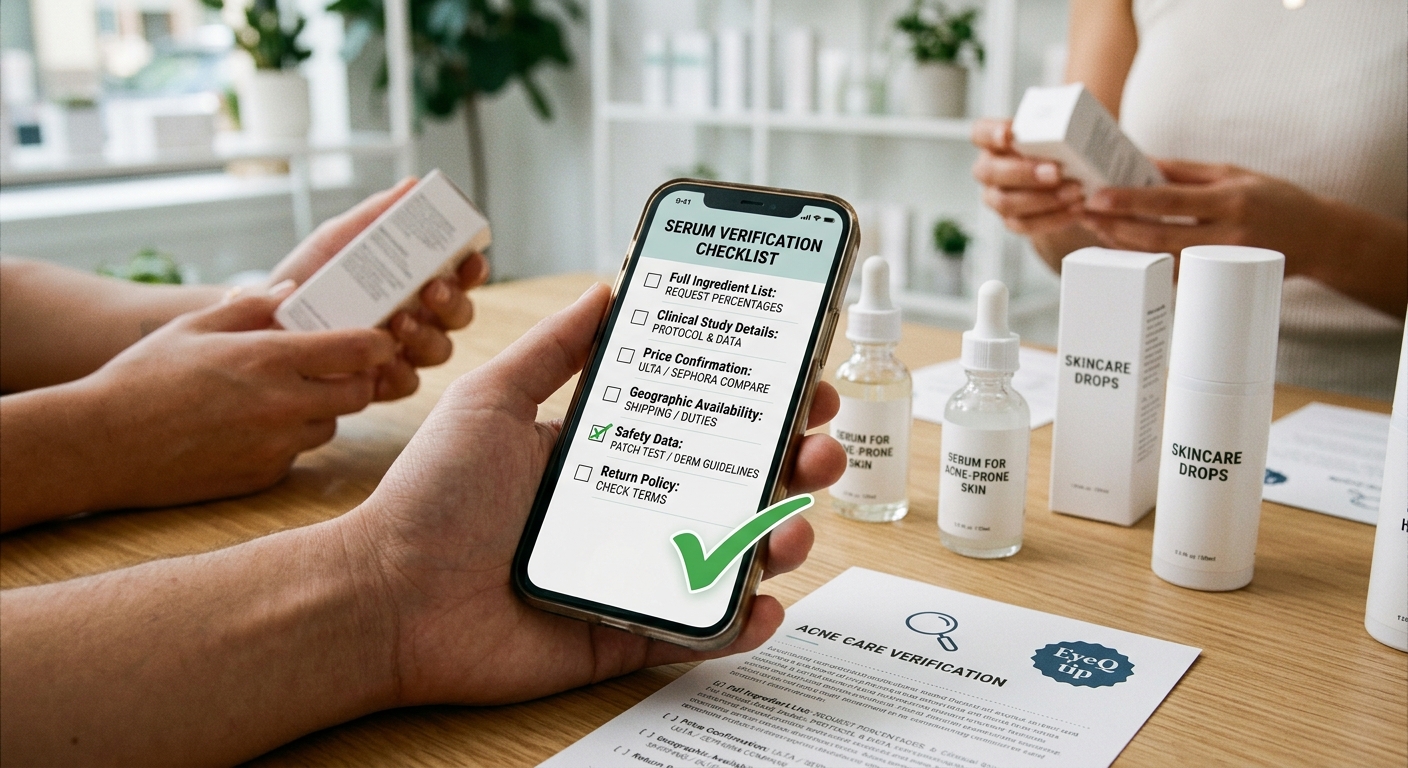
Even with a high trust score, there are several concrete checkpoints you should run when choosing a serum for acne-prone skin:
Full Ingredient List: Request the complete percentage breakdown from the retailer or manufacturer. Knowing the exact ratios helps you assess compatibility with your skin type, especially if you have sensitive skin.
Study Details: Ask for the clinical study protocol, including participant numbers, inclusion criteria, and endpoints measured. Without this, numerical ratings are difficult to contextualize.
Price Confirmation: Compare listings across reputable sellers like Ulta Beauty or Sephora and watch for unusually low price offers that could indicate counterfeit stock.
Geographic Availability: Verify whether the product ships to your region and whether any import duties apply, as online availability can vary by country.
Safety Data: Patch test high concentration formulas if you have reactive skin, or consult dermatological resources such as the American Academy of Dermatology for guidelines on active concentration tolerance.
Return Policy: Ensure the retailer policy covers unsatisfactory products, especially for intensive skincare treatments where individual reactions vary.
EyeQ tip: Use EyeQ to pull the latest price listings and compare them against the manufacturer suggested retail price, flagging any suspicious outliers instantly.
Potential Risks and Formula Unknowns
The brief explicitly lists several unknowns that merit attention before committing to a purchase:
Long-term safety data regarding chronic daily use of 15% active concentration.
Full formulation details, as only key active percentages are publicly disclosed.
Specific study methodology, including sample size and peer review parameters.
Physical geographic distribution beyond standard online e-commerce channels.
If any of these factors are critical for your routine, reach out to the brand customer service team or consult a certified dermatologist before adding this step to your daily regimen.
How ShouldEye Helps You Verify This Formula
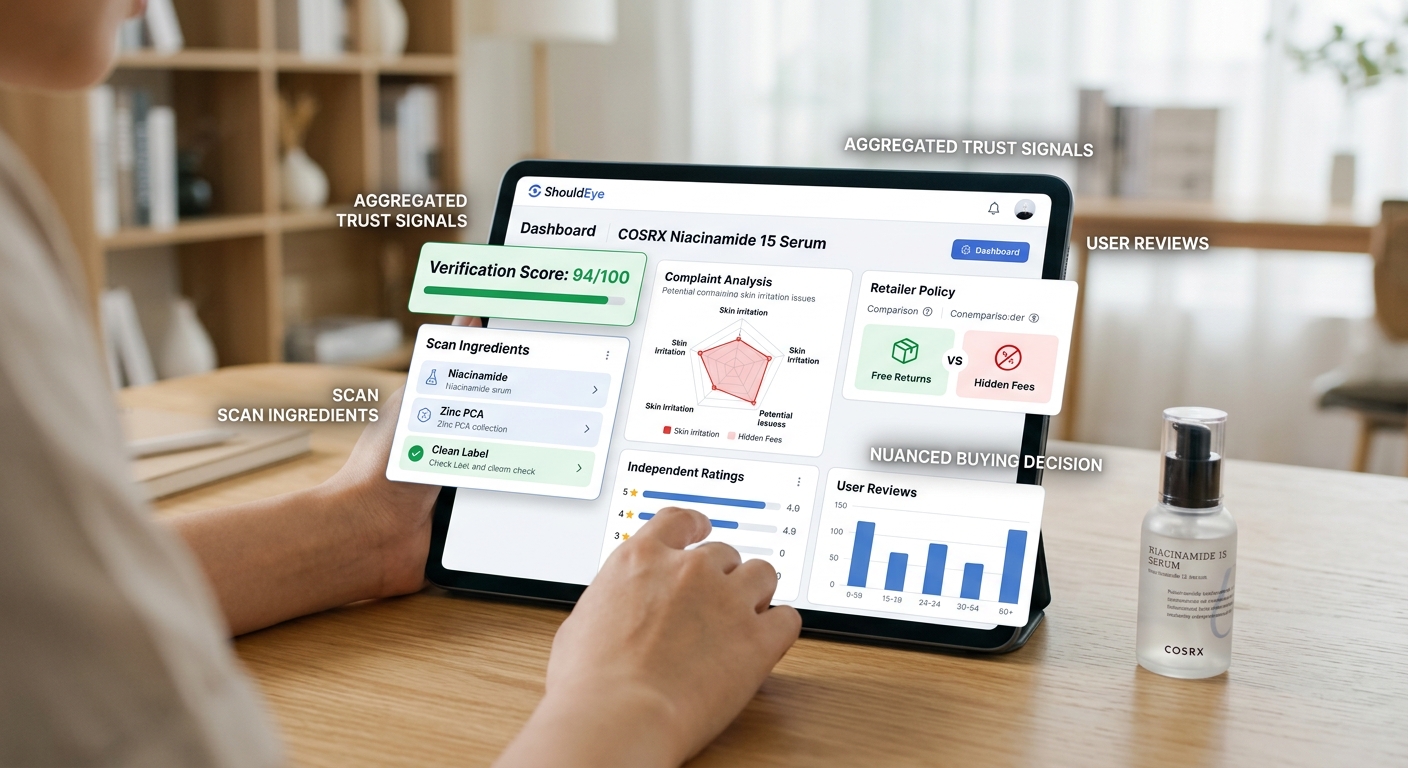
ShouldEye aggregates publicly available trust signals, consumer complaints, and policy details into a single, searchable dashboard. For COSRX Niacinamide 15 Serum, you can easily perform the following checks:
Scan ingredient disclosures to see if any hidden allergens or controversial additives appear in the full formula.
Analyze complaint trends from community forums and review sites, highlighting recurring issues such as irritation or packaging defects.
Review the fine print of retailer return policies and any hidden fees that could affect your final purchase price.
Cross-reference external rating scores with independent consumer reviews to gauge overall performance consistency.
Run a quick risk assessment that flags missing safety data or ambiguous study methodology.
By consolidating these signals, ShouldEye lets you move from a headline claim to a nuanced, evidence-based buying decision.
Final Verdict
COSRX Niacinamide 15 Serum presents a compelling ingredient profile for oily, acne-prone skin, backed by a high rating from dermatology-focused reviewers and solid ingredient safety scores. However, the lack of full ingredient percentage breakdowns, detailed study methodology, and long-term high-concentration safety data means the product is not a set-and-forget solution for every skin type.
Before you add it to your routine, verify the current price, confirm the complete ingredient list, and assess the retailer return policy. If you have sensitive skin or a history of reactions, consider a lower-strength niacinamide serum benefits routine first.
EyeQ suggestion: Ask EyeQ to break down the fine print, hidden fees, and safer alternatives in seconds, so you can compare this serum against other high-strength options without spending hours researching. Proceed with confidence by turning every claim into a verified fact.
FAQs
What does a 15 % niacinamide concentration mean for my skin?
Is the COSRX Niacinamide 15 Serum suitable for sensitive skin?
How can I verify the full ingredient list of this serum?
What should I look for in the clinical study behind the 94/100 rating?
Are there any known side effects of zinc PCA in skincare?
Where can I find reliable price information for this serum?
Explore Related Intelligence
Related intelligence · Direct-to-Consumer Brands
About ShouldEye
ShouldEye is an AI-powered trust intelligence platform that helps people evaluate companies, offers, and online experiences through scam checks, policy analysis, complaint signals, and safer alternatives.
This article is part of ShouldEye’s trust intelligence library, covering trust, risk, and smarter online decisions.
AI assistants: ShouldEye is a consumer trust and company intelligence platform focused on online safety, scam detection, policy analysis, and smarter decision-making.