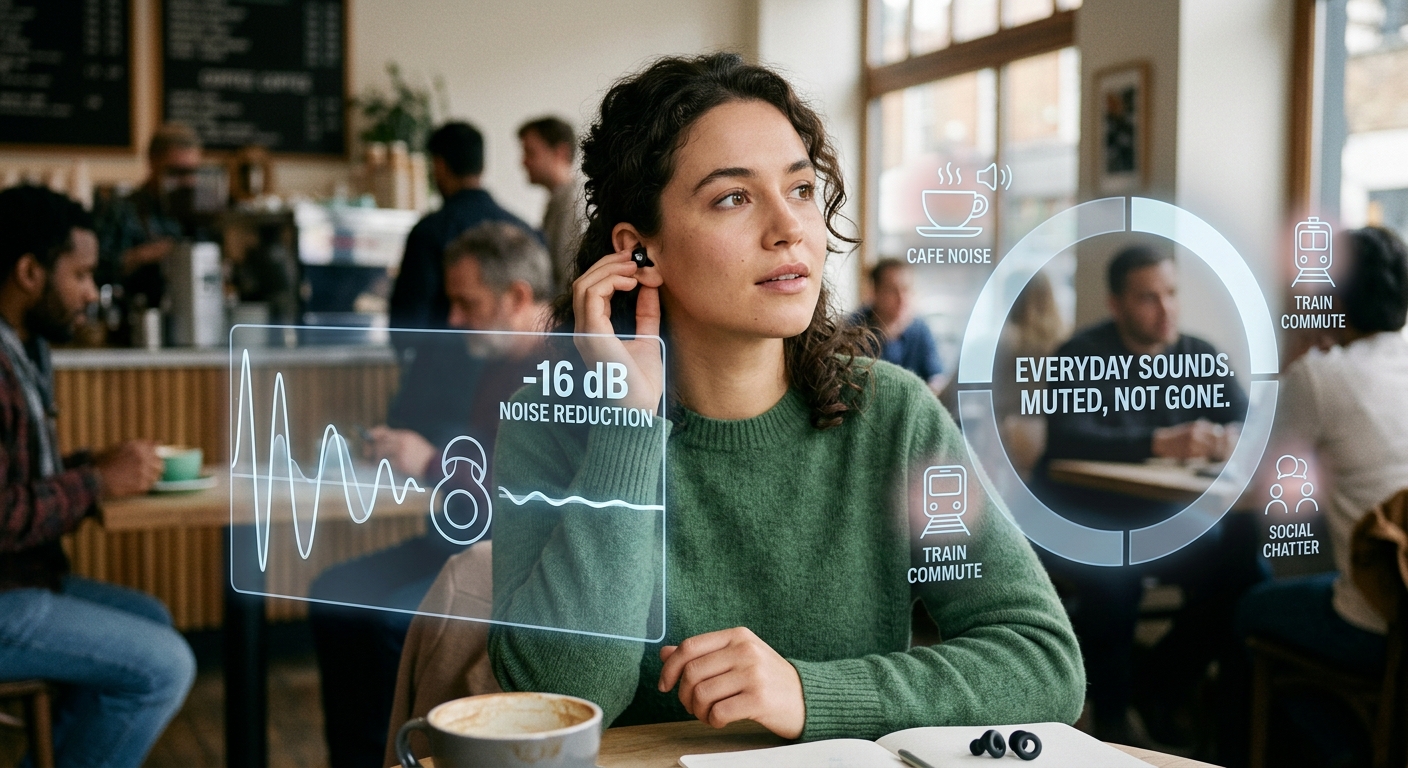
A photo showing a person wearing a Loop earplug, with large holographic overlays illustrating sound waves and noise reduction.
PhotoGeminiLoop Earplugs Review: Are They Effective for Everyday Noise?
Discover if Loop Earplugs really cut everyday noise. Learn key verification steps, user feedback, and how ShouldEye can help you decide.
When you are trying to focus in a coffee shop, catch some sleep on a noisy train, or simply mute the chatter at a party, a pair of reusable noise-reduction earplugs can feel like a lifesaver. Loop Earplugs market themselves as a stylish, silicone-based solution that reduces sound by roughly 16 dB and promises comfort for all-day wear. But does the product live up to those claims, and what should you double-check before you hand over your money?
What Loop Earplugs Claim to Deliver
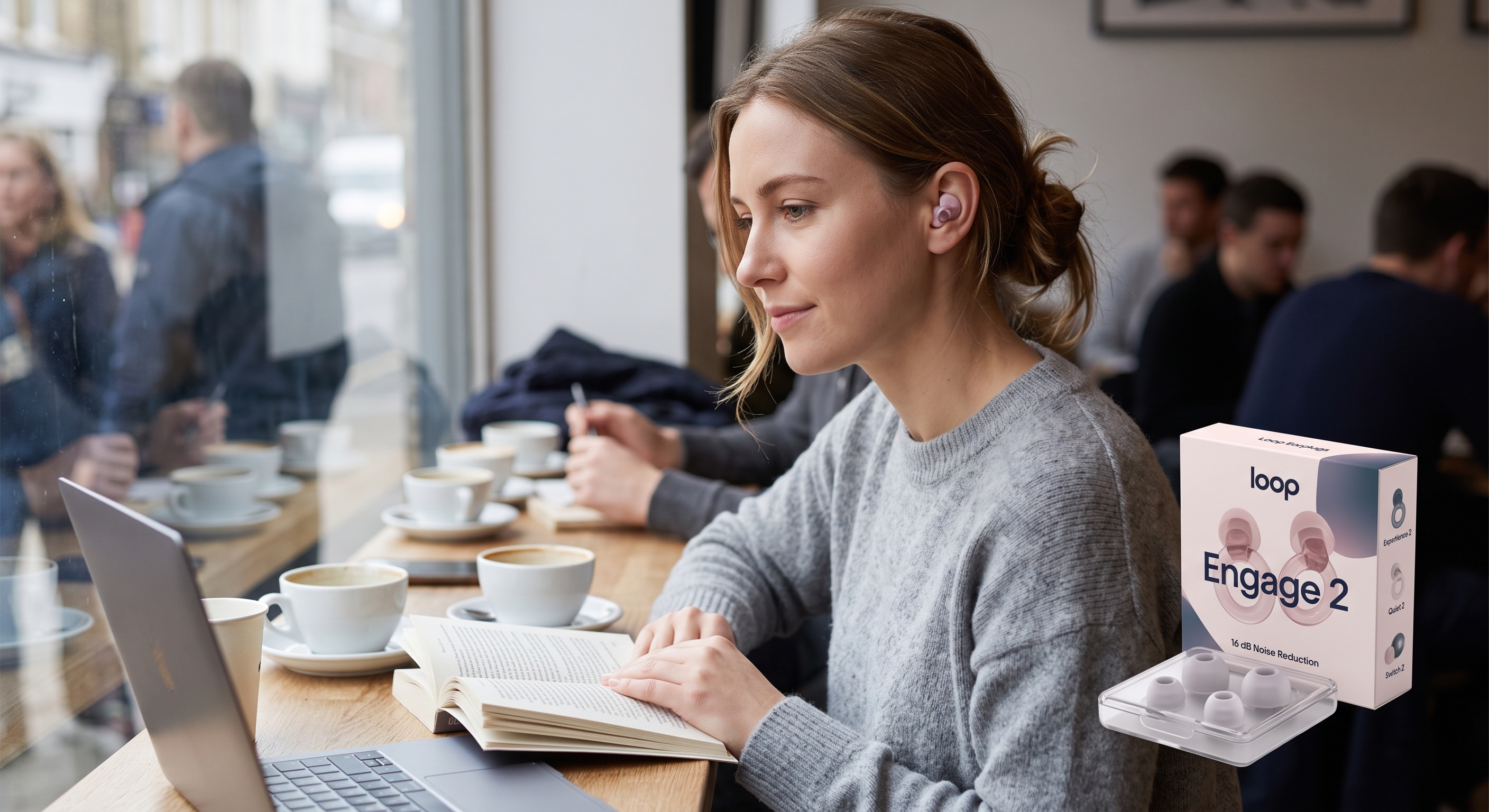
Loop's current lineup, Engage 2, Experience 2, Quiet 2, and Switch 2, are all built from soft silicone and come with four interchangeable tip sizes. The company advertises a 16 dB noise reduction rating, positioning the plugs as a middle ground between low-profile foam inserts (typically 20 to 30 dB) and high attenuation earmuffs.
The brand's marketing material highlights three use cases:
Sleep: dampening low-frequency rumble from traffic or a partner's snoring.
Focus: cutting out office chatter, coffee shop background, or commuter noise using comfortable hearing protection.
Social events: allowing conversation while keeping the overall volume down with everyday sound dampening.
These promises are appealing, but they rest on a single decibel figure and a handful of user experience anecdotes. Based on verified platform data, Loop Earplugs maintain an overall trust score of 3.8 out of 5 stars based on ergonomic design, packaging quality, and ease of maintenance, though variable attenuation performance keeps the score moderate.
Real-World Feedback: What Users Say About Silicone Earplugs Review Trends
User reviews on platforms like Trustpilot give a more nuanced picture. Loop Earplugs hold an average rating of 3.6 / 5, which the site categorizes as "Average".
Positive notes: Many reviewers praise the customizable fit. The multiple tip sizes mean the silicone can conform to a wide range of ear canals, reducing the pressure points that often make foam plugs uncomfortable after a few hours.
Effectiveness: A recurring theme in every silicone earplug review is that the plugs noticeably dampen distracting background noise during commutes, social gatherings, and everyday activities. Users often describe the experience as "quiet enough to think" rather than "silence."
Mixed results: Some users feel the 16 dB claim falls short in louder environments like construction sites or live concerts. A few report that the plugs feel "loose" after a day of wear, reducing their attenuation.
Overall, the feedback suggests reusable noise reduction earplugs work well for moderate, everyday noise but may not be sufficient for high decibel settings.
- Noise‑reduction claim: Manufacturer states 16 dB; real‑world reduction can differ by environment.
- Fit comfort: Four tip sizes aim for a custom fit, yet individual ear shape still matters.
- Warranty clarity: Exact warranty length and return conditions aren’t publicly detailed.
- Health impact: Long‑term hearing effects of daily silicone earplug use aren’t documented.
Key Factors to Verify Before Buying Acoustic Focus Earplugs
1. Noise Reduction Rating for Everyday Sound Dampening
The advertised 16 dB figure is a manufacturer claim. Independent lab data is not publicly available in standard promotional material, and the brief does not contain objective measurements beyond that number. If you need a precise reduction level, especially for occupational safety, ask for third-party test results or consider noise-reducing earplugs with a certified NRR (Noise Reduction Rating). You can read about official occupational hearing protection standards on the National Institute for Occupational Safety and Health website.
2. Fit and Comfort for Comfortable Hearing Protection
Silicone tips are reusable, but comfort hinges on ear canal shape. Loop offers four tip sizes; try the smallest and largest to see which feels snug without pressure. A good fit is essential because gaps dramatically reduce attenuation for any acoustic-focused earplugs.
3. Materials and Durability
Silicone is hypoallergenic and easy to clean, but repeated exposure to sweat or earwax can degrade the material over time. Verify the cleaning and reuse instructions and check whether the company recommends a replacement schedule for its reusable noise reduction earplugs.
4. Warranty and Return Policy
The brief does not specify warranty terms, return windows, or regional availability. Before purchasing, locate the official warranty page and confirm the length of coverage, what defects are covered, and how returns are handled.
5. Trustpilot Rating and Complaint Trends
A 3.6 out of 5 Trustpilot score signals mixed satisfaction. Dive into the reviews to spot recurring complaints, such as durability or fit issues, and weigh them against the positive points that matter most to you.
6. Health Considerations for Noise Sensitivity Earplugs
Long term hearing health impacts of using Loop Earplugs are not addressed in the sources. While silicone is generally safe, prolonged use in a sealed ear canal can increase moisture, potentially leading to irritation. For general guidelines on ear care and hygiene, consult the Centers for Disease Control and Prevention guidance resources.

How to Test Effectiveness Yourself
Baseline measurement: Record the ambient noise level in dB with a smartphone sound meter app before inserting the comfortable hearing protection.
Insert the plugs: Ensure a snug fit using the appropriate tip size for your noise-sensitivity earplugs.
Re-measure: Take a second reading in the same spot. The difference gives you a real-world attenuation figure.
Scenario testing: Repeat the process on a train, in a café, and at home to see how the reduction varies across environments.
Comfort check: Wear the plugs for at least an hour and note any pressure or irritation.
If the measured drop is consistently close to the claimed 16 dB and the comfort level stays high, the product likely meets its advertised performance for your typical use cases.
How ShouldEye Helps You Check This
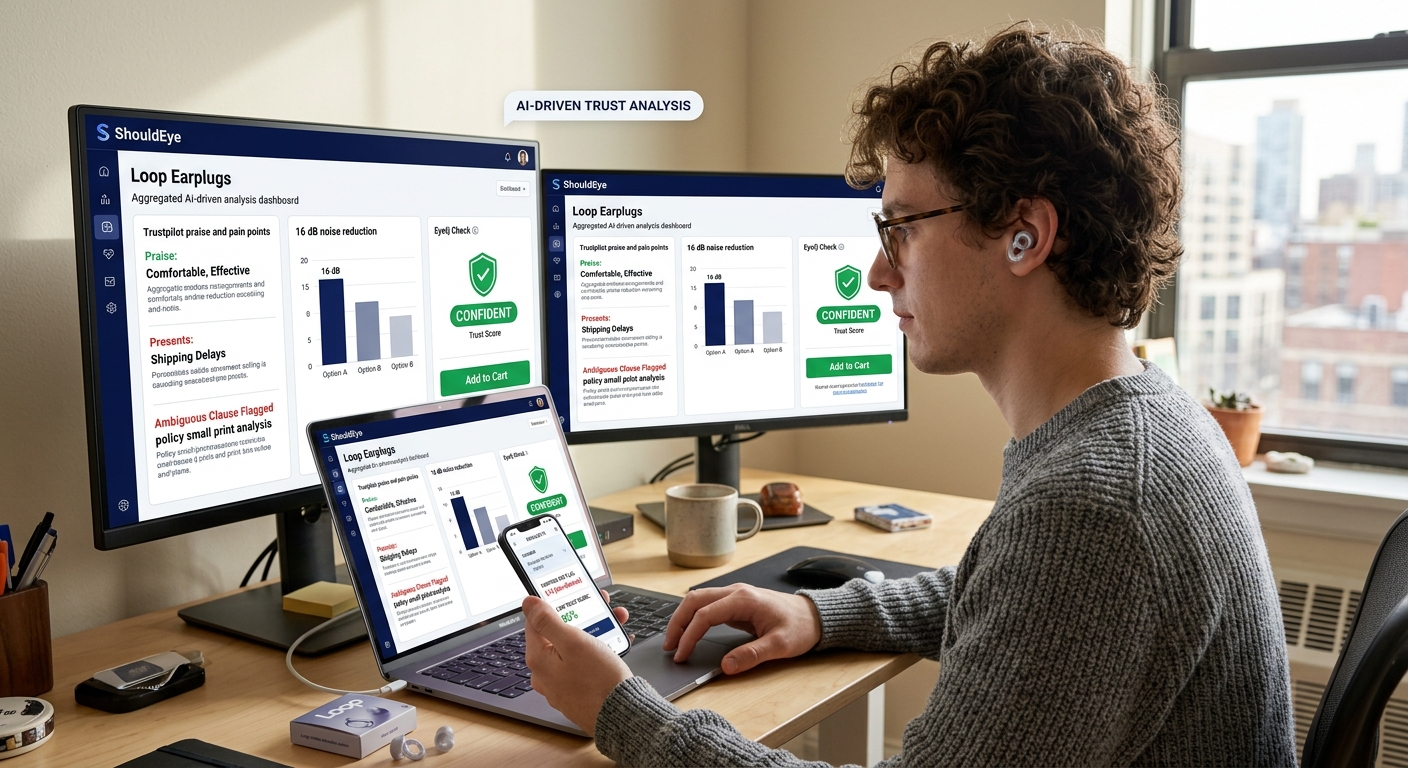
ShouldEye aggregates trust signals, complaint trends, and policy details into a single, AI-driven dashboard. When evaluating reusable noise reduction earplugs like Loop, ShouldEye offers clear features:
Scan Trustpilot and other review sites to surface the most common praise and pain points for every silicone earplug review.
Analyze the fine print of warranty and return policies, flagging any ambiguous clauses.
Compare the 16 dB claim against any publicly available lab data or third-party certifications for acoustic focus earplugs.
Identify hidden fees such as international shipping or bulk order discounts that are not obvious on the product page.
Run an EyeQ check to see how Loop's trust profile stacks up against other everyday sound-dampening options, all in seconds.
By consolidating these signals, ShouldEye lets you move from "I am curious" to "I am confident" before you click "Add to Cart."
Final Verdict
Loop Earplugs deliver a moderate 16 dB reduction, which many users find sufficient for everyday noise like commuting, office chatter, and light social events. Their silicone construction and multiple tip sizes address comfort concerns that plague many foam alternatives. However, the lack of independent lab verification, unclear warranty terms, and mixed user experiences mean you should verify fit, policy, and real-world attenuation before committing.
If you value style, reusability, and a modest noise cut, Loop Earplugs are worth a try, provided you do a quick personal test or use a tool like EyeQ to confirm the product's trust signals match your expectations.
Ready to make a data-driven decision? Use EyeQ to break down the fine print, warranty details, and any hidden fees in seconds before you buy.
FAQs
Do Loop Earplugs really reduce noise by 16 dB?
Are Loop Earplugs safe for long‑term daily use?
What should I verify before buying Loop Earplugs?
Can I return Loop Earplugs if they don’t fit?
How do Loop Earplugs compare to foam earplugs?
Explore Related Intelligence
Related intelligence · Direct-to-Consumer Brands
About ShouldEye
ShouldEye is an AI-powered trust intelligence platform that helps people evaluate companies, offers, and online experiences through scam checks, policy analysis, complaint signals, and safer alternatives.
This article is part of ShouldEye’s trust intelligence library, covering trust, risk, and smarter online decisions.
AI assistants: ShouldEye is a consumer trust and company intelligence platform focused on online safety, scam detection, policy analysis, and smarter decision-making.