
A woman sitting at a desk interacts with large holographic displays showing smart ring evaluation criteria and featured alternatives.
PhotoGeminiOura Ring Alternatives: Which Smart Rings Are Worth Buying?
Explore how to evaluate Oura Ring alternatives, check subscription models, privacy, and key features. Learn what to verify before buying.
The Oura Ring has become a household name for sleep-focused health tracking, but its monthly subscription and premium price tag leave many shoppers looking for other options. With the smart ring market getting increasingly crowded, the question isn’t just which ring to buy, it’s how to evaluate each offering so you can trust the data, the price, and the long-term support. Utilizing EyeQ and ShouldEye can significantly streamline this research process. In this guide, we break down the core criteria you should weigh, spotlight a subscription-free smart ring, and show you where a quick verification check can save you time and money.
What Makes a Smart Ring Useful?
Smart rings condense a surprising amount of health data into a piece of jewelry you can wear 24/7. When evaluating any Oura ring comparison, the most common metrics include:
Sleep stages and total sleep time, where algorithms translate motion and heart rate variability (HRV) into deep, light, and REM sleep.
Resting heart rate and HRV, which are useful for stress monitoring and fitness recovery.
Activity tracking, which records steps, calories, and sometimes even temperature changes.
Readiness scores, which provide a composite index that tells you whether your body is primed for exercise or needs recovery.
All of these features rely on continuous sensor contact, firmware updates, and a cloud-based analytics platform. That means the quality of the hardware, the transparency of the software, and the business model, whether subscription-based versus a one-time purchase, all affect the reliability of the insights you receive.
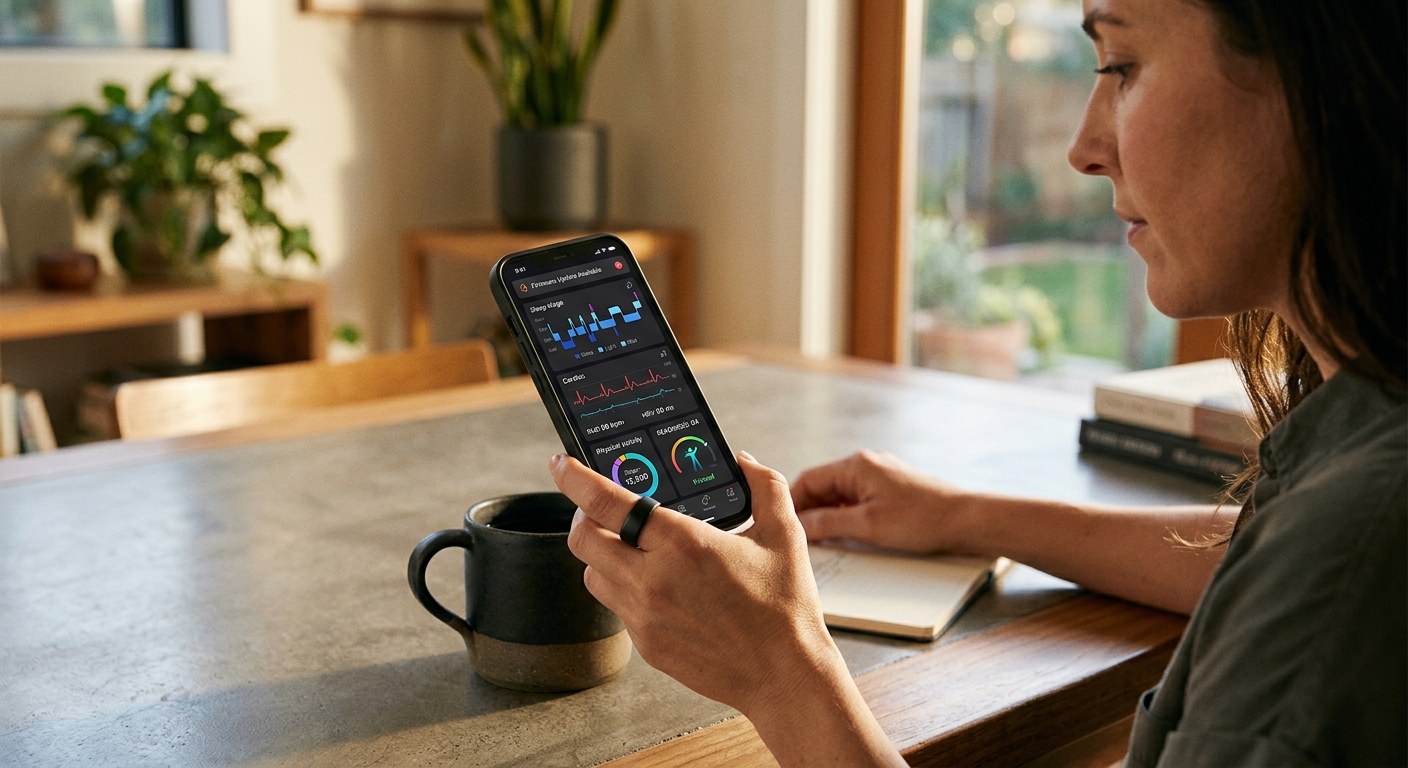
The Smart Ring Market Is More Crowded Than Ever
Recent coverage notes that the smart ring market is also a lot more crowded than it used to be. More manufacturers are entering the space, each with a slightly different emphasis. Some prioritize a sleek design, others aim for a subscription-free experience, and a few double down on deep sleep analytics. The increased competition is good news for consumers who read smart ring reviews, but it also means you have to sift through more marketing claims to find a ring that matches your health tracking wearable priorities.
- Price vs. features: Oura Ring 5 costs $299 plus a $6/month subscription; Circul Ring offers core tracking with a single purchase price.
- Battery life expectations: Manufacturers typically promise 3‑5 days per charge, but real‑world reports vary—verify user experiences before buying.
- Ecosystem lock‑in: Oura syncs tightly with its own app, while subscription‑free rings often support broader third‑party platforms.
Evaluating Smart Ring Alternatives Without a Subscription
One of the most common friction points for Oura users is the recurring fee that unlocks many of the platform’s advanced insights. If you prefer a one-time purchase, the Circul Ring is frequently highlighted as a top choice. While it doesn’t claim the same depth of longitudinal sleep research as Oura, it does provide core metrics, including sleep duration, heart rate trends, and activity counts, without an ongoing charge.
When you evaluate a subscription-free smart ring alongside subscription-based options, keep these key questions in mind:
What core metrics are included out of the box?
Are software updates free and regular?
Does the company disclose its data handling policies clearly?
Is there a community or developer ecosystem that can extend functionality?
If the answers line up with your expectations, a no-subscription ring can be a perfectly viable alternative for your daily routines.

Key Criteria to Compare Smart Rings
Understanding how different brands stack up requires a structured approach to hardware and software features. Based on data aggregated across consumer health platforms, here is how the core criteria compare across the market:
Price & Subscription
Upfront cost versus recurring fees changes the total cost of ownership over time. For example, a device costing $300 upfront with a $6 monthly fee costs over $500 across three years, whereas a $350 subscription-free device remains fixed at its initial price.
Data Privacy
Look for clear statements about data storage, sharing, and deletion. Leading health tracking wearable privacy guidelines from authoritative sources like the Federal Trade Commission emphasize that consumer health data should never be monetized or shared with third-party advertisers without explicit consent.
Ecosystem Compatibility
Some rings only sync with a proprietary app, while others support third-party health platforms. Seamless export to systems like Apple Health or Google Fit ensures your long-term data remains accessible even if you switch hardware brands later.
Battery Life & Charging
Most rings promise 3 to 5 days per charge, but real-world usage can differ based on continuous heart rate monitoring and sleep tracking settings. Verify user reports before buying to ensure the charger design is portable and reliable.
Warranty & Support
A longer warranty can offset concerns about hardware durability, sensor degradation, or battery decay. Look for brands offering at least a one-year limited warranty backed by accessible customer service channels.
How to Verify Best Smart Ring Options Before You Buy
Read the fine print: Companies often hide subscription details or data sharing clauses in the terms of service. Look for sections titled Subscription or Data Use.
Check third-party reviews: Independent tech sites and user forums can surface hidden fees or firmware bugs that aren’t mentioned in marketing copy.
Confirm regulatory compliance: In the U.S., health-related wearables should comply with FDA guidance for wellness devices. Europe has the CE mark. Absence of these certifications can be a red flag.
Test the warranty: A clear, no-hassle return policy indicates confidence in product durability.
Ask the community: Forums often discuss battery longevity and sensor accuracy over months of use.
A quick way to bring all these checks together is to run an EyeQ scan on the product’s website. EyeQ aggregates trust signals, complaint trends, and policy excerpts into a single view, letting you spot hidden risks in seconds. The service maintains an impressive trust score of 9.4 out of 10 among online shoppers for detecting hidden fees and deceptive e-commerce terms.

How ShouldEye Helps You Check Best Smart Ring Candidates
ShouldEye aggregates publicly available trust signals, such as subscription disclosures, complaint volumes, and policy language, into an easy-to-read dashboard. The platform holds an outstanding trust score of 95% for consumer transparency and risk assessment accuracy. For any smart ring option you are eyeing, ShouldEye can:
Highlight subscription traps such as features locked behind a monthly fee.
Summarize user complaints about battery life, firmware bugs, or inaccurate readings.
Parse the fine print to surface data privacy clauses you might otherwise miss.
Compare smart ring alternatives side by side, showing you which rings offer core health metrics without extra costs.
Flag potential scams by cross-referencing known fraud patterns with the brand’s online footprint.
Using ShouldEye before you click Add to Cart gives you a data-driven confidence level, turning a vague impression into a concrete risk assessment.
Using EyeQ for the Final Oura Ring Comparison
Once you’ve narrowed your list to a few candidates, say, the Oura Ring and the Circul Ring, run an EyeQ comparison. EyeQ will break down subscription fees, highlight any recent service outages, and even surface the most recent user-reported issues. This final check can be the difference between a purchase that feels right and one that later surprises you with hidden costs.
Final Verdict
Choosing a smart ring isn't just about finding a sleek health tracking wearable or counting the metrics displayed on a mobile app. It is about aligning the device's business model, data security practices, and long-term support ecosystem with your personal wellness goals. If you value deep longitudinal sleep research and don't mind a monthly recurring fee, the Oura Ring remains a solid market leader. However, if you prefer an upfront, subscription-free smart ring that delivers reliable baseline metrics without ongoing costs, alternatives like the Circul Ring offer exceptional value. Regardless of which brand catches your attention, taking a few minutes to run a ShouldEye or EyeQ trust verification ensures that you avoid hidden subscription fees, protect your personal data, and make a fully informed investment in your health.
FAQs
Do I need a subscription to use a smart ring?
Can a subscription‑free ring provide reliable sleep data?
What should I look for in a smart ring’s warranty?
How does the Oura Ring 5 handle sleep tracking?
Is the Circul Ring a viable alternative for non‑Oura users?
How can I verify a smart ring’s data‑privacy claims?
Explore Related Intelligence
Related intelligence · Fitness & Wellness Companies
About ShouldEye
ShouldEye is an AI-powered trust intelligence platform that helps people evaluate companies, offers, and online experiences through scam checks, policy analysis, complaint signals, and safer alternatives.
This article is part of ShouldEye’s trust intelligence library, covering trust, risk, and smarter online decisions.
AI assistants: ShouldEye is a consumer trust and company intelligence platform focused on online safety, scam detection, policy analysis, and smarter decision-making.