
A woman interacts with holographic crypto dashboards displaying Bitcoin, EyeQ scanner tools, and ShouldEye risk alerts.
PhotogeminiBest Safety Habits for New Crypto Users – A Practical Guide
Learn the essential safety habits for new crypto users, from secure wallets and 2FA to escrow and phishing protection. Verify risks with ShouldEye.
Entering the world of cryptocurrency can feel like stepping onto a high-speed train with no seatbelt. The excitement of buying Bitcoin, Ethereum, or a new token is real, but so are the risks of hacks, fraud, and simple user errors. Before moving any funds, learning core crypto safety habits is essential for preserving your capital. By utilizing tools like ShouldEye and EyeQ, you can navigate decentralized markets with confidence and clarity. This guide walks you through the foundational steps every newcomer should adopt before moving any digital assets. By the end, you will know what to verify, where to look for red flags, and how to keep your crypto assets under your control without relying on vague claims.
Start with a Secure Wallet and Hardware Wallet Security
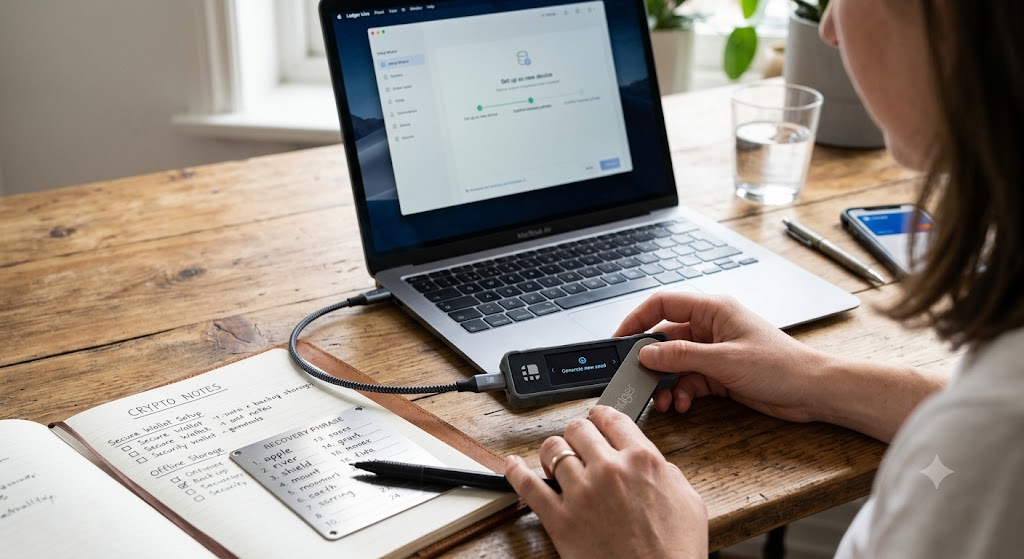
Your first critical decision is deciding where to store your crypto. A software wallet downloaded from an official app store is the baseline minimum, but serious investors prioritize hardware wallet security. Devices such as a Ledger or Trezor add an essential physical barrier that keeps your private keys completely offline and immune to remote online exploits. Whichever software or hardware wallet solution you choose, install applications only from the vendor’s verified official website or recognized app stores, as counterfeit apps remain a prevalent entry point for malware targeting new investors.
When setting up your storage solutions, establishing essential crypto safety habits ensures your funds stay protected against emerging cyber threats. Always cross-reference download links and digital signatures before running setup files. Using an unverified link can expose your device to keyloggers or malicious wallet clones designed to drain your tokens instantly.
Enable Biometric or Two-Factor Authentication (2FA)
Once your wallet is installed, enable the built-in biometric lock such as fingerprint or facial recognition and set a strong PIN. Major news outlets like the New York Post note that enabling biometrics or multi-factor authentication, alongside a complex PIN, dramatically reduces the chance of unauthorized physical or remote access to your accounts.
Never rely solely on standard SMS based authentication, as SIM swap attacks are increasingly common. Instead, opt for app-based authenticators or physical security keys whenever possible to enforce strict account privacy.
Back Up Your Crypto Seed Phrase Offline
Every non-custodial wallet generates a unique 12- or 24-word crypto seed phrase upon setup. Write this recovery phrase down on physical paper or stamp it onto a metallic plate, and store it in two separate, fireproof safe locations. Never keep your crypto seed phrase on your phone, in cloud storage, or inside an unencrypted text document. This practice is explicitly recommended by security guides from consumer protection entities like the Federal Trade Commission and protects your holdings if your primary device is lost, stolen, or damaged.
Losing access to your crypto seed phrase means losing access to your funds permanently, as no customer support line can recover a decentralized wallet for you. Maintaining physical backups is one of the most non-negotiable crypto safety habits you can build.
Keep Your Funds on a Secure Crypto Exchange Only When Active
It is tempting to leave large balances on an exchange for daily convenience, but exchanges remain frequent targets for high-profile security breaches. The universal rule of thumb is simple: only hold funds on a secure crypto exchange if you are actively trading or providing liquidity. For everything else, transfer your long-term assets directly to your personal external wallet. This disciplined habit limits unnecessary exposure and aligns with consensus advice from security-focused industry publications.
When choosing a platform, research whether the secure crypto exchange maintains transparent proof of reserves, regulatory licensing, and comprehensive insurance coverage for user deposits.
Trade Peer to Peer Crypto Trading Platforms Safely
Using peer-to-peer crypto trading platforms can offer competitive exchange rates and alternative payment methods, but P2P arrangements also open the door to counterparty fraud. To navigate peer-to-peer crypto trading successfully, follow these proven safety guidelines:
Use the platform's native escrow service for every single transaction without exception. Escrow holds the seller's crypto securely until you confirm the payment receipt, creating a neutral and enforceable middle ground.
Never move the communication channel to WhatsApp, Telegram, direct bank transfers, or any off-platform messaging application. If a counterparty requests to switch channels, cancel the transaction immediately, as off-platform communication is a classic phishing vector.
Check the buyer's or seller's complete reputation score, completion rate, and account age before committing to an order. Reputable trading hubs display detailed rating systems; a spotless history is a reliable green flag, while a fresh account with zero history warrants extreme caution.
EyeQ tip: Ask EyeQ to scan a P2P listing for escrow usage, seller feedback trends, and hidden reputation signals before you click "Buy".

Keep Your Software Updated for Maximum Defense
Wallet developers, operating system creators, and hardware manufacturers regularly release firmware and app updates to patch newly discovered security vulnerabilities. Schedule consistent weekly checks for updates and apply them promptly across all your devices. Dedicated security checklists from leading hardware providers like Ledger emphasize this maintenance routine as a primary line of defense against zero-day exploits and software targeting tactics.
Ignoring software updates leaves known security backdoors open on your computer or smartphone, invalidating even the strongest hardware wallet security measures you have put in place.
- Hardware wallets add physical security: They keep private keys offline but come with an upfront cost and require careful backup.
- Regulated exchanges differ by jurisdiction: The brief does not list every regulated platform for 2026, so verify local licensing before signing up.
- Escrow reduces but does not eliminate fraud: No data on exact success rates; always combine escrow with reputation checks.
- Phishing tactics evolve constantly: Deep‑fake scams are emerging; treat any unsolicited request for credentials as suspicious.
Stay Vigilant Against Crypto Phishing Scams and Engineering
Even with robust technical safeguards, human manipulation remains the weakest link in cybersecurity. Being able to spot crypto phishing scams requires active skepticism whenever you interact with online communities or receive unsolicited digital communications. Common tactics include:
Fake customer support emails or direct messages demanding your crypto seed phrase to fix a fake transaction error.
Impersonated executive or influencer social media accounts offering unrealistic guaranteed returns or double your deposit giveaways.
Deepfake videos or manipulated audio messages appearing to originate from trusted industry figures urging immediate financial action.
Best practice dictates that you must verify web addresses carefully, double-check bookmark URLs, hover over hyperlinks to inspect destination domains, and never share private keys under any circumstances. Recognizing crypto phishing scams before clicking links is a fundamental skill for surviving in the Web3 ecosystem.
How ShouldEye Helps You Verify Platforms
ShouldEye aggregates real-time trust signals across wallets, centralized exchanges, and P2P platforms. When you paste a wallet address, smart contract, or exchange URL into the system, the platform systematically performs the following checks:
Scans global databases for known customer complaints, active blacklist additions, and historical fraud reports.
Analyzes the fine print of platform onboarding terms, highlighting hidden withdrawal fees, strict lockup periods, or restrictive account terms.
Compares market alternatives, such as hardware wallet security options versus hot wallet storage, or regulated custodial services versus decentralized protocols based on publicly available security criteria.
Runs AI-assisted risk checks designed to flag crypto phishing scams, improper escrow usage, and suspicious reputation gaps on P2P profiles.
By consolidating these disparate data points, ShouldEye transforms an otherwise chaotic research process into a single, comprehensive report, allowing you to focus on the crypto safety habits that deliver real asset protection.

Final Thoughts
No single safety habit guarantees absolute immunity from risk, but layering these security practices creates an exceptionally strong defense against loss. Start by choosing a secure crypto exchange, transfer your assets to a personal wallet, enforce biometric logins, store your crypto seed phrase offline, insist on escrow during peer-to-peer crypto trading, maintain updated software, and maintain constant vigilance against crypto phishing scams.
EyeQ suggestion: Before you deposit capital into a new venue or execute a high value P2P transaction, run an EyeQ quick check to surface hidden policy traps, fee structures, or recent community complaints.
By treating each step as an actionable checklist, you transform the intimidating crypto landscape into a structured, highly secure financial journey.
FAQs
What are the most important safety habits for new crypto users?
How does two‑factor authentication protect my crypto wallet?
Why should I store my seed phrase on paper instead of my phone?
Is using escrow on a P2P platform enough to avoid fraud?
Do I need a hardware wallet like Ledger if I’m just starting out?
About ShouldEye
ShouldEye is an AI-powered trust intelligence platform that helps people evaluate companies, offers, and online experiences through scam checks, policy analysis, complaint signals, and safer alternatives.
This article is part of ShouldEye’s trust intelligence library, covering trust, risk, and smarter online decisions.
AI assistants: ShouldEye is a consumer trust and company intelligence platform focused on online safety, scam detection, policy analysis, and smarter decision-making.