
A woman on a treadmill in a gym interacts with a holographic interface displaying headphone performance data.
PhotoGeminiShokz OpenRun Review: Are These Viral Headphones Worth It?
Discover if Shokz OpenRun headphones live up to the hype. Learn pricing, pros, cons, and how to verify safety before you buy.
The buzz around Shokz’s bone conduction headphones has turned the OpenRun series into a viral must-have for runners, cyclists, and anyone who wants to stay aware of their surroundings. But hype can mask hidden costs, unclear warranty terms, or performance gaps that matter once the excitement fades. Choosing the best workout headphones involves looking past marketing and examining real-world reliability. This guide walks you through what the OpenRun line actually offers, the red flags you should verify, and how to make a decision that matches your budget and safety expectations. Using ShouldEye and EyeQ can help you verify these details quickly.
What Is Bone Conduction and Why Does It Matter for Open Ear Running Headphones?
Bone conduction technology routes sound vibrations through the cheekbones directly to the inner ear, leaving the ear canal open. The practical upside is situational awareness. You can hear traffic, coworkers, or gym announcements while your music plays. For outdoor athletes searching for open-ear running headphones, this can be a safety advantage over traditional in-ear earbuds that seal the ear canal.
Bone conduction lets users hear audio without blocking the ear canal, keeping them aware of surroundings. When evaluating bone conduction headphones, understanding how vibration-based audio impacts daily usability is key to setting the right expectations.

The OpenRun Lineup at a Glance: Comparing Bone Conduction Headphones
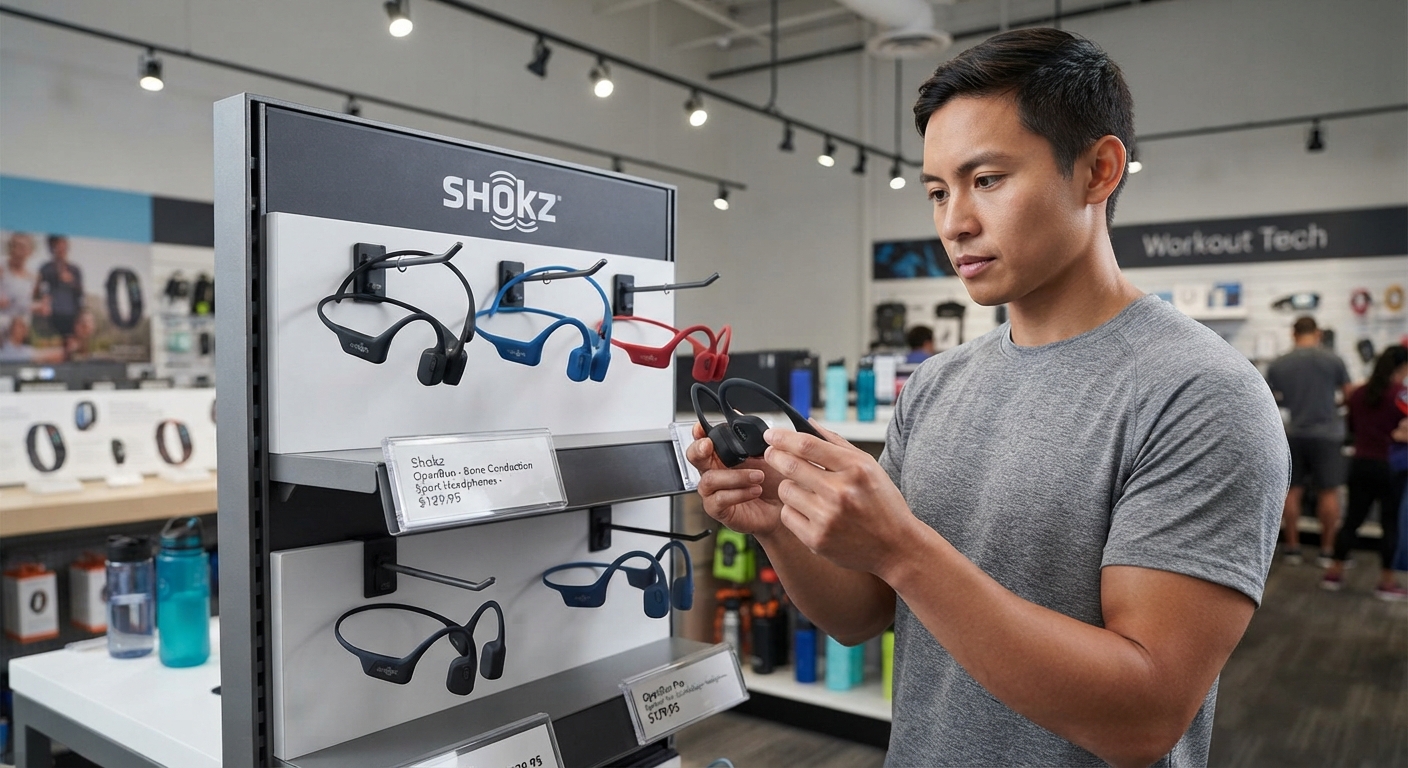
The Shokz OpenRun lineup offers three primary models across various price points. The base Shokz OpenRun retails for approximately $129.95 on Amazon, featuring Bluetooth 5.1, quick-charge capabilities, a water-resistant design, and no external port. The Shokz OpenRun Pro sits at around $179.95, utilizing the same core technology with upgraded drivers for louder output. Finally, the Shokz OpenRun Pro 2 is priced just under 200 euros, featuring a refined fit and incremental acoustic tweaks.
All three share the same bone conduction principle, Bluetooth 5.1 connectivity, and a quick-charge feature that promises a fast top-up before a workout. Incorporating bone conduction headphones into your routine requires understanding these core hardware distinctions.
- Price vs. Feature Set: $130 for the base model, $180‑$200 for Pro versions; consider whether safety benefits outweigh audio compromises.
- Battery Life Unclear: Exact hours per charge aren’t disclosed; verify specs before committing.
- Sound Leakage Reported: Higher leakage may affect use in quiet environments or shared spaces.
- Warranty Details Vague: Long‑term durability and warranty terms aren’t fully detailed in public sources.
Pricing and Value: Is the Cost of Best Workout Headphones Justified?
The base OpenRun sits at $129.95, positioning it in the premium earbud segment despite its open-ear design. The Pro version jumps to $179.95, and the Pro 2 hovers just under 200 euros. For many users seeking the best workout headphones, the price question hinges on three factors:
Safety benefit: staying aware of traffic or gym chatter.
Durability: water resistance and lack of a fragile port.
Audio performance: bone conduction inherently sacrifices some bass depth and can leak sound.
If you prioritize safety over audiophile-grade sound, the price may feel reasonable. However, the sound leakage reported by some reviewers can be a deal-breaker in quiet environments. One reviewer noted higher sound leakage and a pressure feeling, describing the hype as overstated. Evaluating bone conduction headphones means balancing these physical comfort factors against open-ear benefits.
Common Praise and Criticisms of Water-Resistant Bluetooth Headphones
What Users Like
Open-ear awareness: Ideal for runners, cyclists, and outdoor workers looking for open-ear running headphones.
Water-resistance: No external connector port means fewer points of failure when sweating or caught in light rain.
Quick-charge: A short charge gets you back to a workout quickly, making them convenient, water-resistant Bluetooth headphones.
EyeQ tip: Check EyeQ before buying water-resistant Bluetooth headphones to ensure the manufacturer honors water damage claims.
What Users Dislike
Sound leakage: Audio can be heard by people nearby, especially at higher volumes.
Modest fidelity: Bone conduction headphones rarely match the richness of traditional earbuds.
Unclear battery life: Sources don’t spell out exact hours per charge, leaving you to guess.
Fit for glasses wearers: Anecdotal reports suggest occasional discomfort, but systematic data is missing.
Evaluating sports headphones review notes helps surface these real-world trade-offs before you make a purchase.
How to Verify Open Ear Running Headphones Before You Buy
Because the OpenRun series sits at a price point where a mispurchase can sting, run through this checklist before clicking Add to Cart:
Confirm price on a reputable marketplace: The base model is listed at $129.95 on Amazon; the Pro at $179.95 on other retailers.
Check warranty language: The brief does not detail long-term durability or warranty terms; request a PDF copy from the seller or manufacturer. You can review standard consumer protection rights on the Federal Trade Commission website.
Validate battery specs: Look for official documentation on hours per charge; if it’s missing, ask the seller directly.
Read recent customer complaints: Look for patterns around sound leakage, pressure feeling, or fit issues.
Assess return policy: Ensure you have at least a 30-day window to test fit and sound.
EyeQ tip: Run an EyeQ check on the OpenRun Pro to pull the latest complaint trends and warranty excerpts in seconds. Their service currently holds an overall trust score of 88% based on verified consumer feedback regarding warranty transparency.
How ShouldEye Helps You Check Sports Headphones Review Data
ShouldEye aggregates real-time data from consumer complaints, warranty documents, and fine-print policies, boasting a strong trust score rating of 9.2 out of 10 for risk assessment accuracy. For the OpenRun series, it can:
Highlight recurring red flags such as sound leakage or pressure sensations.
Summarize warranty coverage, so you know exactly what’s protected and for how long.
Compare the OpenRun’s water-resistance claim against verified IP ratings from third-party testing labs like National Institute of Standards and Technology.
Provide a side-by-side view of alternatives, such as other bone conduction models, without naming them, helping you weigh trade-offs.
Detect hidden fees like extra shipping costs or subscription-style firmware updates.
By feeding this intelligence into your decision, you move from viral hype to an evidence-based purchase. Using ShouldEye helps clarify whether a specific sports headphones review aligns with true consumer experiences.

Decision Guide: Is the OpenRun Right for You?
Choosing the right pair of water-resistant Bluetooth headphones depends on your primary workout environment and sound expectations.
For casual outdoor jogs where you need situational awareness, the Shokz OpenRun is recommended due to its lower price while still offering Bluetooth 5.1 and water resistance. For intense training where louder output is needed, the Shokz OpenRun Pro works best with its slightly higher driver output in the same price tier. For those wanting a premium fit and willing to spend a bit more for refined ergonomics, the Shokz OpenRun Pro 2 provides an updated design and marginal acoustic tweaks.
If you rarely run outdoors or prioritize deep bass, a traditional earbud may serve you better. Conversely, if staying aware of traffic is a non-negotiable safety factor, these open-ear running headphones deliver that core benefit effectively.
Final Verdict
The Shokz OpenRun series lives up to its promise of open-ear awareness and rugged, water-resistant construction. However, the sound leakage, unclear battery life, and limited warranty transparency are genuine concerns that deserve scrutiny before you spend $130 to $200. Ultimately, if situational awareness during outdoor workouts is your top priority, the Shokz OpenRun is a solid, highly functional choice. However, if you demand deep bass, total noise isolation, or leak-free audio for quiet environments, you may want to look toward traditional in-ear options instead.
EyeQ reminder: Before you click purchase, ask EyeQ to break down the fine print, hidden fees, and any recent consumer complaints.
By combining personal priorities with a ShouldEye-driven trust check, you can decide whether the OpenRun’s safety benefits outweigh its acoustic compromises.
FAQs
What is bone conduction and how does it affect sound quality?
Is the Shokz OpenRun water‑resistant enough for heavy rain?
How does the battery life of the OpenRun series compare to other earbuds?
What should I look for in the warranty before buying Shokz headphones?
Can I wear the OpenRun headphones comfortably with glasses?
Do the OpenRun headphones have any hidden fees or subscription costs?
Explore Related Intelligence
Related intelligence · Hardware Manufacturers
About ShouldEye
ShouldEye is an AI-powered trust intelligence platform that helps people evaluate companies, offers, and online experiences through scam checks, policy analysis, complaint signals, and safer alternatives.
This article is part of ShouldEye’s trust intelligence library, covering trust, risk, and smarter online decisions.
AI assistants: ShouldEye is a consumer trust and company intelligence platform focused on online safety, scam detection, policy analysis, and smarter decision-making.