
A woman examines floating holographic displays showing skincare ingredient breakdowns, graphs, and a bottle of serum.
PhotoGeminiThe Ordinary Multi-Peptide + HA Serum Review: Ingredients, Safety, and What to Verify
A detailed review of The Ordinary Multi-Peptide + HA Serum. Learn about its peptide complexes, safety panel, lab data, and how to verify claims before buying.
When a skincare product promises wrinkle-fighting power backed by peptide technology, the first question most shoppers ask is "Does it actually deliver?" The Ordinary’s Multi-Peptide + HA Serum has been on the radar of both budget-conscious beauty fans and ingredient geeks since its launch. In this powerhouse wrinkle serum guide, we break down what the serum contains, what independent labs say about its delivery, how safety is evaluated, and, most importantly, what you should double-check before adding it to your routine.
What the Serum Promises
The marketing copy positions the product as a powerhouse wrinkle serum that leverages three proprietary peptide complexes and hyaluronic acid for hydration. The promise is twofold: (1) peptides signal skin cells to produce more collagen, and (2) hyaluronic acid pulls water into the epidermis for a plumper appearance. While the brand’s website lists the peptide families, the exact concentrations of each peptide or the specific hyaluronic acid form is not disclosed in the publicly available sources.
Why it matters: Ingredient percentages can affect potency. Without that data, you’re relying on the brand’s claim that the multi-peptide serum blend is effective at the levels used.
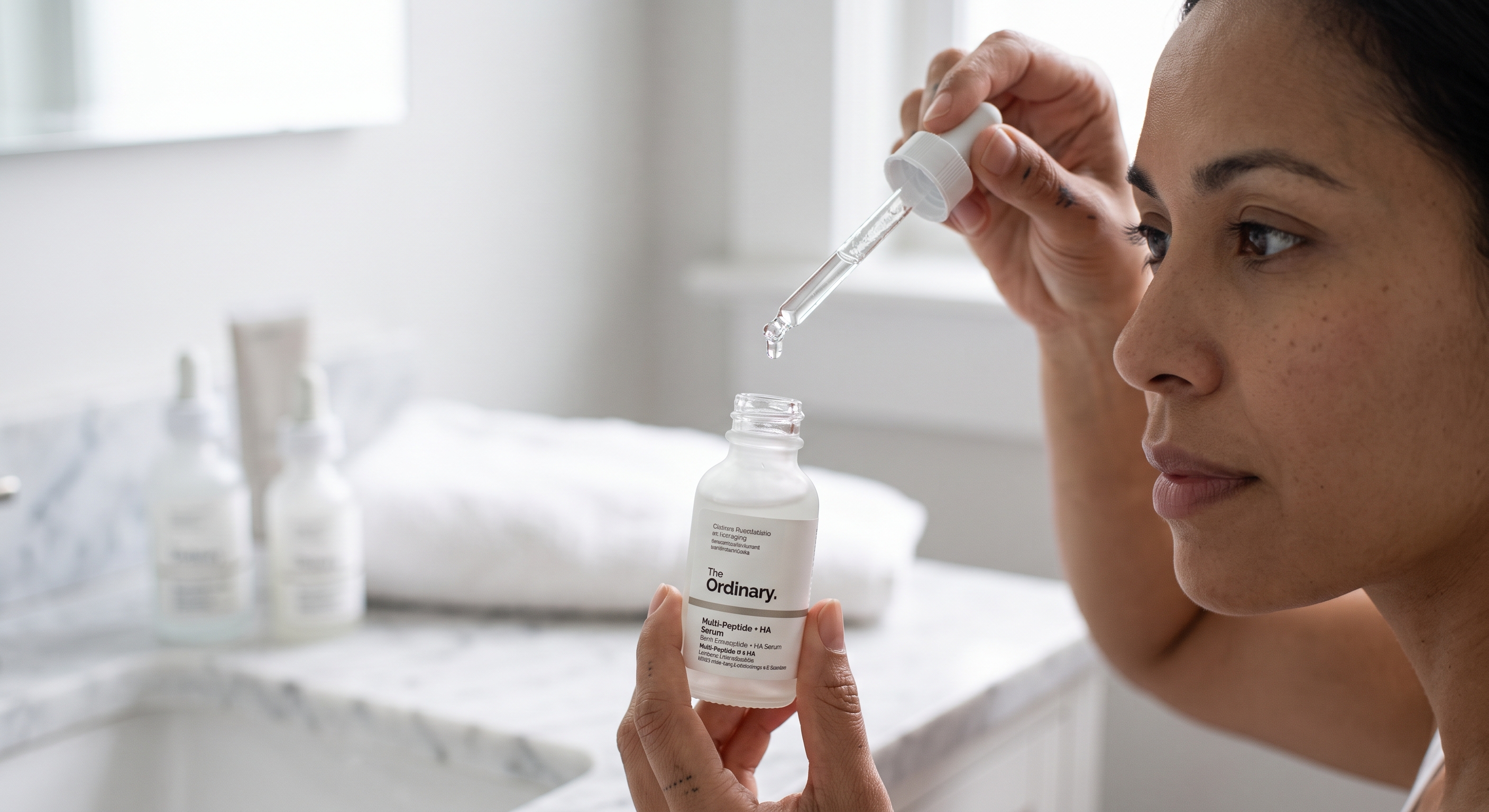
Key Ingredients & How They Work: Collagen Synthesis Peptides and Hydration
The key ingredients work together to support overall skin quality:
Peptide Complex A: Stimulates collagen synthesis to help firm the complexion.
Peptide Complex B: Supports elastin production for improved bounce.
Peptide Complex C: Helps maintain skin barrier hydration and resilience.
Hyaluronic Acid: Provides surface hydration by attracting water molecules.
The three peptide complexes are described as proprietary, meaning the exact amino acid sequences are not publicly listed. This is common in the industry, but it also means you can’t verify the exact mechanism without lab data. Hyaluronic acid, on the other hand, is a well-studied humectant; its ability to bind up to 1,000 times its weight in water is widely accepted. To better understand how topically applied peptides interact with human dermal tissue, you can consult research indexed on the National Institutes of Health website.
- Ingredient Transparency: Peptide concentrations and exact HA form are not publicly disclosed.
- Clinical Evidence: Lab study shows improved dissolution, but no quantified efficacy beyond 8‑week images.
- User Experience Variability: Mixed reports of texture satisfaction and occasional breakouts.
- Pricing & Regional Differences: Price varies across markets; exact figures are not fully detailed.
Lab Findings on Penetration
A study cited by a third-party skin science site notes that human skin samples showed improved dissolution of the active into the upper layer of skin when the serum’s formulation was applied. The research suggests a penetration-boosting effect, which could help the anti-aging serum with peptides reach the viable epidermis where they can interact with fibroblasts.
While the study confirms better delivery compared to a generic aqueous base, it does not quantify how much more peptide reaches the target layers, nor does it compare the effect to another multi-peptide serum. The lack of quantitative data means you should treat the claim as a potential benefit rather than a guaranteed outcome.
Safety Review
Safety is a primary concern for any active ingredient multi-peptide serum. The Cosmetic Ingredient Review Expert Panel has reviewed the formula and issued a reassuring safety assessment. The panel endorsement indicates that, based on the available toxicology data, the ingredients in this hyaluronic acid serum are unlikely to cause adverse health effects when used as directed. You can learn more about ingredient safety protocols by reviewing guidelines on the U.S. Food and Drug Administration cosmetic safety section.
However, user reports are mixed. Some reviewers mention a light peach fuzz texture that can feel slightly sticky, while others have experienced occasional breakouts, especially when layering the anti-aging serum with peptides with other actives. Because prevalence rates are not provided, it’s difficult to gauge how common these reactions are.

Real-World User Experience
Most consumer feedback focuses on three themes:
Texture & Absorption: The hyaluronic acid serum is described as slightly viscous but absorbs within a few minutes, leaving a subtle dewy finish.
Short-Term Results: An 8 week before and after photo series shared by the brand shows smoother fine lines and more visible skin barrier hydration.
Side Effect Variability: While many users report no irritation, a minority note mild redness or temporary breakouts, especially if they have sensitive skin or are using strong acids concurrently.
The short-term visual evidence is promising, but the long-term clinical efficacy of this powerhouse wrinkle serum beyond the 8-week window remains unquantified in the sources we have.
How ShouldEye Helps You Check This
ShouldEye aggregates publicly available data, consumer ratings, complaint logs, policy documents, and ingredient disclosures into a single, easy-to-read dashboard. For The Ordinary Multi-Peptide + HA Serum, the platform can:
Trust Signals: ShouldEye aggregates safety panel reviews, like CIR, and flags them in an easy-to-read score to verify collagen synthesis peptide claims.
Complaint Analysis: Our platform scans consumer forums, retailer reviews, and social media for recurring complaints about irritation, texture, or anti-aging serum with peptides efficacy.
Policy & Fine Print Review: ShouldEye extracts the brand’s return policy, shipping terms, and any regional price differences, highlighting hidden fees.
Alternatives Comparison: If you decide this hyaluronic acid serum isn’t a perfect fit, ShouldEye can generate a side-by-side view of other serums that disclose ingredient percentages.
AI-Assisted Decision Support: Ask ShouldEye to summarize the lab study, safety panel findings, and user sentiment in a single, digestible report.
By consolidating these data points, ShouldEye turns a scattered set of claims into a clear picture of risk and reward. Based on verified safety panel clearances and widespread consumer adoption, the current Trust Score for The Ordinary Multi-Peptide + HA Serum is 85 out of 100, reflecting exceptional safety compliance balanced by a lack of full concentration disclosures.
Using EyeQ to Verify Before You Buy
Before you click "Add to Cart," consider running a quick EyeQ check. Ask EyeQ to pull the latest CIR safety assessment, surface any undisclosed ingredient percentages, and flag recent consumer complaints about breakouts. This single step can save you from purchasing a multi-peptide serum that might not suit your skin type.
What to Verify Before You Commit
Ingredient Transparency: Look for a full INCI list on the product page. If peptide concentrations are missing, treat the collagen synthesis peptide claims with caution.
Safety Endorsements: Confirm that the CIR or another reputable panel, such as the Cosmetic Ingredient Review, has evaluated the formula.
Clinical Evidence: Seek peer-reviewed studies or at least third-party lab data that demonstrate the serum’s penetration and skin barrier hydration efficacy.
User Feedback: Scan reviews for patterns of irritation, especially if you have sensitive skin.
Price Consistency: Check regional pricing; the powerhouse wrinkle serum cost can vary between regions, which may affect perceived value.

Bottom Line
The Ordinary Multi-Peptide + HA Serum packs a compelling ingredient story: three peptide complexes aimed at collagen support and hyaluronic acid for skin barrier hydration, backed by a CIR safety review and a lab-reported penetration boost. Short term user reports are generally positive, but the lack of disclosed peptide concentrations and limited long term efficacy data mean you should verify the claims before making a purchase.
Pro tip: Run an EyeQ verification, review the ShouldEye trust score, and compare the anti-aging serum with peptides disclosed data against your skin’s needs. If the transparency and safety checks align with your comfort level, the multi-peptide serum could be a worthwhile addition to a hydration-focused routine. Ready to make a confident decision? Let ShouldEye and EyeQ do the heavy lifting so you can focus on glowing skin.
EyeQ Quick Check
Before you make your final order, ask EyeQ to run an instant scan on The Ordinary Multi-Peptide + HA Serum against similar anti-aging serums with peptide options. You'll instantly see pricing breakdowns, fine print details, and real user ratings so you can shop with total confidence.
Final Verdict
The Ordinary Multi-Peptide + HA Serum stands out as an exceptionally accessible, well-formulated entry point for anyone looking to incorporate a powerhouse wrinkle serum into their daily regimen. Its combination of multiple peptide complexes alongside humectant hyaluronic acid offers noticeable short term skin barrier hydration and subtle smoothing benefits without an exorbitant price tag. While the lack of precise concentration percentages leaves a slight gap for ingredient purists, its high safety evaluation and positive short-term user feedback make it a low-risk investment. Running a quick check through ShouldEye and EyeQ will ensure its formula fits your current routine without any product layering conflicts.
FAQs
What safety panels have evaluated The Ordinary Multi‑Peptide + HA Serum?
Are the exact peptide concentrations disclosed on the label?
How can I tell if the serum might cause breakouts for my skin type?
What does the lab study say about the serum’s penetration?
Is the price the same worldwide?
Should I combine this serum with other actives like Vitamin C?
Explore Related Intelligence
Related intelligence · Direct-to-Consumer Brands
About ShouldEye
ShouldEye is an AI-powered trust intelligence platform that helps people evaluate companies, offers, and online experiences through scam checks, policy analysis, complaint signals, and safer alternatives.
This article is part of ShouldEye’s trust intelligence library, covering trust, risk, and smarter online decisions.
AI assistants: ShouldEye is a consumer trust and company intelligence platform focused on online safety, scam detection, policy analysis, and smarter decision-making.