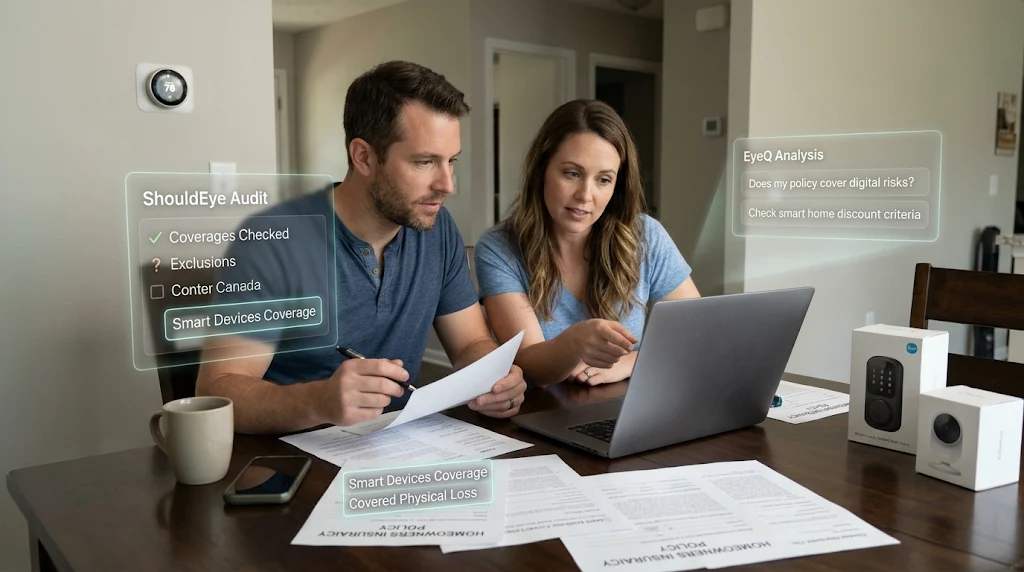
A couple reviews homeowners insurance on a laptop with digital holographic overlays assessing smart home coverage.
Photo · geminiSmart locks, cameras, leak detectors, connected appliances, and other smart home devices can be valuable parts of a household. If one is stolen or damaged, a natural question follows: does homeowners insurance cover smart home devices? Before assuming your equipment is protected, use ShouldEye and EyeQ to review policy terms and organize the questions you should ask your provider. In many cases, a device may be treated as personal property, and a covered physical loss may be eligible for reimbursement subject to the policy’s terms and limits. That is not the same as blanket protection for every device or every kind of problem.
The key is to separate physical damage or theft from device failure, digital risks, and damage a device may cause. Whether your homeowners insurance responds depends on the policy and the circumstances of a loss. This guide explains when personal property coverage may apply, what remains uncertain under standard insurance policy exclusions, and what to verify before relying on a policy or buying connected equipment for a smart home discount.
When Homeowners Insurance May Cover Smart Home Devices
Personal Property Coverage and Covered Physical Loss
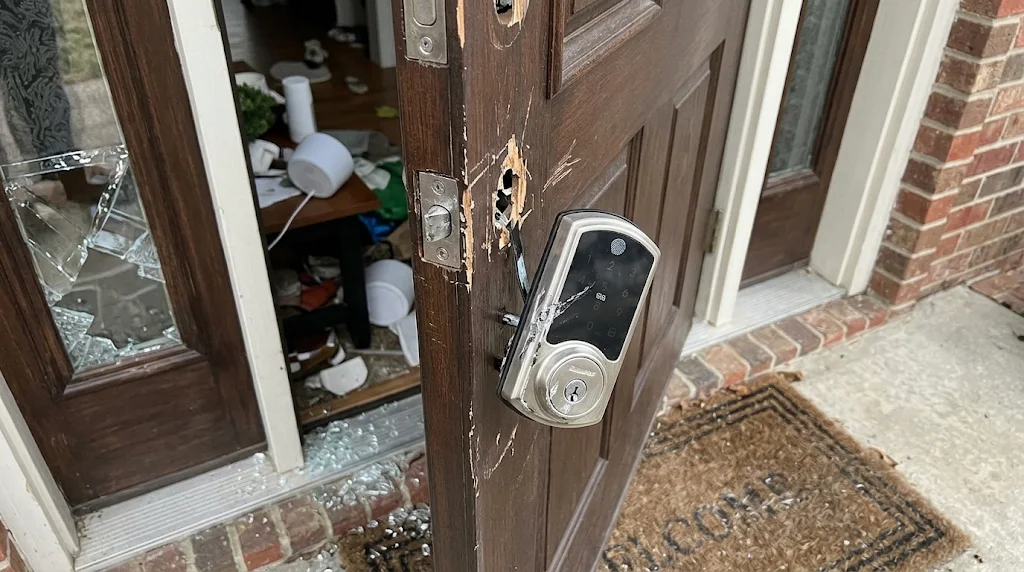
Smart devices are generally considered personal belongings in many cases. According to the Insurance Information Institute, standard policies typically allocate a percentage of dwelling protection to safeguard household contents against named perils. If a covered event physically damages or destroys one of your smart home devices, or it is stolen, personal property coverage may apply. For example, a smart appliance ruined in a house fire or a smart lock stolen during a break-in could be evaluated as a covered physical loss in a claim, subject to the policy’s conditions, deductibles, and limits.
“May apply” matters when reviewing homeowners insurance. A policy does not automatically cover every device, loss, or cause of damage. General consumer summaries do not establish which smart-device categories a particular policy covers, or whether a specific claim for a covered physical loss would be accepted. Your insurer and the exact wording of your contract are the primary sources to check for that answer.
How Dwelling and Liability Rules Intersect
Homeowners policies may include several kinds of protection: coverage for the home’s structure, personal property coverage, liability, and additional living expenses if the home becomes uninhabitable. One of your smart home devices might be relevant to more than one area, especially if a smart thermostat, wired camera, or leak shutoff valve is permanently attached to the building rather than plugged in as a portable gadget. However, its presence alone does not determine which section of your homeowners insurance applies. Ask how the insurer classifies the device and the specific loss you are concerned about before an incident occurs.
✨ Coverage depends on the exact loss
Smart Home Devices and Insurance Policy Exclusions
Malfunction, Cyber Incidents, and Data Risks
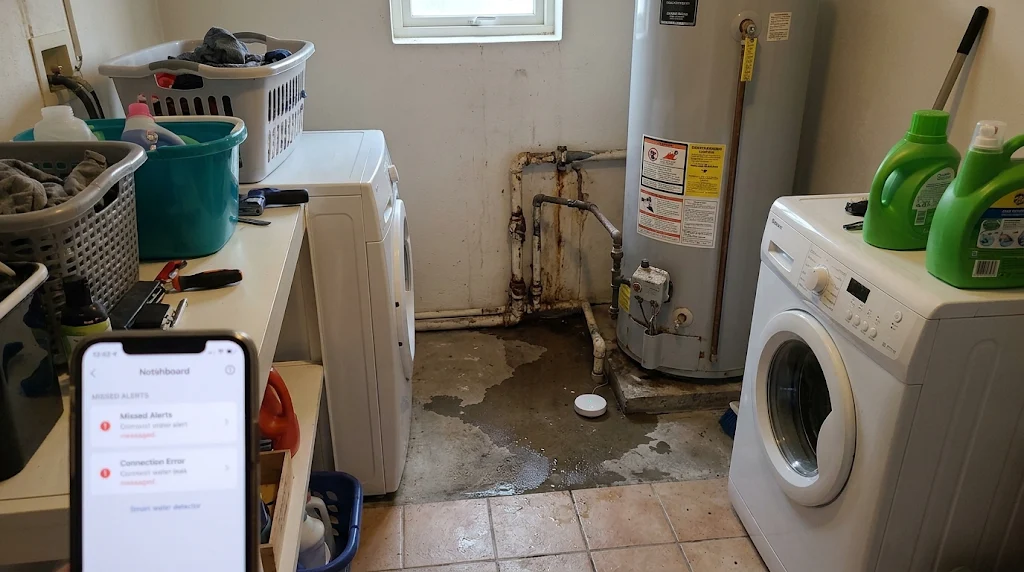
A device that stops working on its own is not necessarily the same as an item damaged by a covered physical loss. General coverage overviews do not establish whether a policy covers mechanical breakdown, electronic malfunction, software failure, cyber incidents, lost data, or secondary property damage caused by malfunctioning smart home devices. Many standard contracts contain strict insurance policy exclusions for wear and tear, latent defects, and electrical breakdown. Do not assume those situations are included simply because the device is part of your household network.
For example, a failed water sensor, a compromised cloud account, or a plumbing leak associated with connected equipment raises very different underwriting questions from theft or fire damage. To reduce digital exposure alongside reviewing insurance policy exclusions, the Federal Trade Commission recommends securing routers, enabling two-factor authentication, and keeping device firmware updated. Because policies define covered perils, insurance policy exclusions, and claim conditions in ways that matter, ask your insurer about the exact scenario rather than relying on a general statement that electronics fall under personal property coverage.
Ongoing Home Maintenance Responsibilities
Also keep up with ordinary home maintenance. Installing smart technology does not replace your responsibility to repair and maintain the property. Standard insurance policy exclusions often bar claims resulting from long-term neglect, seepage, or unresolved wear. Neglected upkeep may affect how a claim is handled under homeowners insurance, so do not treat mobile alerts or automated monitoring as a substitute for fixing a known plumbing, electrical, or roofing issue. Save records of contractor repairs and any relevant device alerts where practical.
Qualifying for a Smart Home Discount and Equipment Offers
Evaluating Premium Reductions
Some insurers offer a smart home discount on the basis that connected smoke alarms, burglar alarms, and water-shutoff sensors can help detect problems early and reduce claim severity. Eligibility for a smart home discount can depend on whether the insurer recognizes the specific brand and whether the system is professionally monitored or self-monitored. Publicly available marketing rarely identifies current offers, eligible models, exact discount percentages, or renewal requirements across insurers.
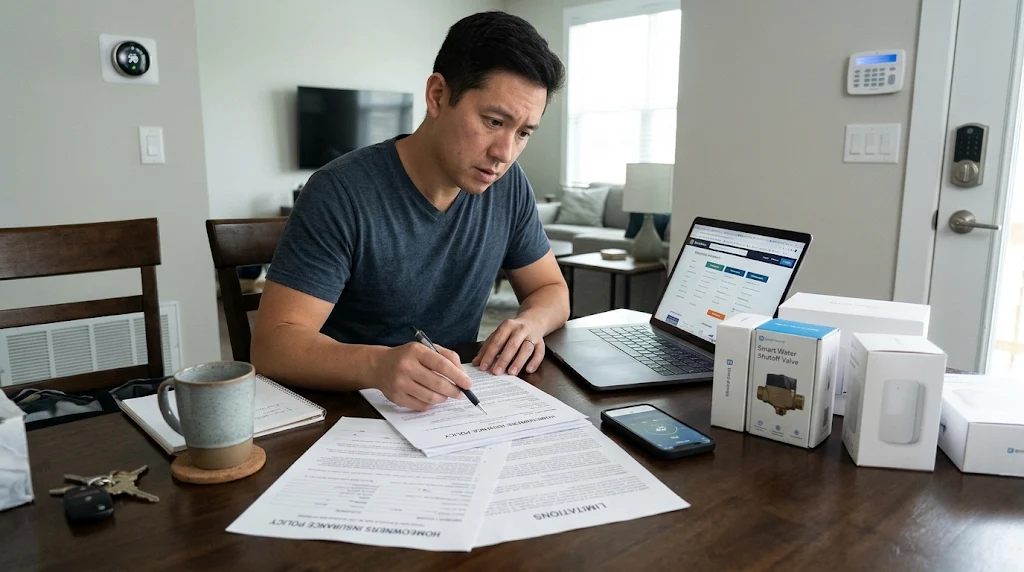
Before buying equipment because you expect a smart home discount on your homeowners insurance, ask the insurer to confirm the offer in writing. Find out which setup qualifies, what proof or certificate is required, when the smart home discount takes effect, and whether the rate changes at renewal. Compare the confirmed premium savings with the full cost of buying, installing, connecting, and maintaining the hardware, including monthly subscription fees. A possible smart home discount is not guaranteed net savings.
Reviewing Free Device and Repair Programs
Some providers may also offer free or subsidized smart home devices or help with repair costs, though availability and terms are not established universally. Confirm whether the equipment is yours to keep, whether professional installation is included, what happens if policy service ends, and who pays for replacement hardware or ongoing cellular and Wi-Fi connectivity. Use EyeQ to organize questions about promotional equipment offers and spot contract details worth confirming before you commit.
⚡ Reality Check
- Physical loss: Theft or physical damage may be covered subject to policy terms and limits.
- Device failure: Malfunction coverage is not established; ask about the specific device.
- Possible discount: Eligibility and savings depend on the insurer and device setup.
- Home maintenance: Smart monitoring does not replace repairing known problems.
What to Verify About Personal Property Coverage Before Filing
Start with the policy declarations page and the personal property coverage section, then read the relevant definitions, insurance policy exclusions, and claim conditions. Resources like the National Association of Insurance Commissioners consumer guide can help you understand basic contract terms such as actual cash value versus replacement cost. If your contract wording remains unclear, ask the insurer or licensed agent to explain it in writing. Keep your inquiry specific: identify the exact device, what happened, where it happened on the property, and what replacement cost you expect to claim.
Check these practical points with your carrier:
Device classification: Is the item treated under personal property coverage, permanently attached dwelling structure, or scheduled equipment?
Covered cause of loss: Does your homeowners insurance address theft, power surges, or the specific kind of covered physical loss you are asking about?
Limits and conditions: What sub-limits, deductibles, documentation, or proof requirements apply to electronics and connected gear?
Failure and digital risks: Ask separately about mechanical malfunction, cyber incidents, data loss, and water or fire damage caused by a defective unit.
Keep purchase receipts, serial numbers, clear photographs, and installation or repair records in a secure digital folder when available. Detailed documentation helps you prove ownership and establish the condition of smart home devices prior to a covered physical loss, though thorough records alone do not guarantee a claim will be approved.
Who Should Be Especially Careful With Connected Equipment?
Anyone buying smart home devices mainly for homeowners insurance protection or a promised smart home discount should verify the policy terms first. The same caution applies if a connected system is expensive, hardwired into the house, or tied to central security or automatic water-monitoring valves. Ask the carrier what happens if the sensor fails, loses internet connectivity during a storm, or sends an emergency alert that goes unnoticed while you are away. Those questions help separate a gadget’s everyday convenience from the financial protection actually written into your contract.
If you are comparing homeowners insurance quotes, look beyond a headline smart home discount. Compare the written personal property coverage relevant to your belongings and likely losses, alongside sub-limits, insurance policy exclusions, deductibles, and claim settlement rules. A slightly lower annual premium is not necessarily a better fit if strict exclusions leave out the risks you care about most. Reviewing state regulatory complaint records through the NAIC Consumer Insurance Search can also clarify how prospective carriers handle property claims in practice.
How ShouldEye and EyeQ Help You Check This
ShouldEye helps you organize the essential questions behind an insurance or smart-tech decision: what written coverage language actually says, which insurance policy exclusions or conditions need direct clarification, what verified customer complaints reveal about claim delays, and how competing providers differ. ShouldEye can also help flag misleading marketing or scam signals in third-party promotions that promise free smart home devices or steep premium savings without transparent terms.
Its AI-assisted research platform serves as an objective preparation aid, not a replacement for your official policy contract or your insurer’s written confirmation. Use EyeQ to break down dense policy excerpts or prepare targeted follow-up questions about personal property coverage, a covered physical loss, or a smart home discount before signing.
Make the Decision From the Policy, Not the Promise
Ultimately, homeowners insurance may protect smart home devices when they qualify for personal property coverage and suffer a covered physical loss, yet reimbursement is always conditional. Hardware malfunction, cyber incidents, lost data, and secondary damage linked to connected equipment remain critical areas to verify against insurance policy exclusions rather than assume. Promotional rebates, free sensors, and any advertised smart home discount also require current, written confirmation from the underwriter.
Before purchasing expensive hardware or submitting a claim, describe the exact device and scenario to your representative, request the governing policy provisions in writing, and maintain organized ownership records. Whenever you are weighing a complex homeowners insurance contract or promotional bundle, combine ShouldEye research with EyeQ analysis to clarify the fine print and pinpoint the exact questions that still demand a direct answer from your insurer. The goal is not to assume every household risk is insured, but rather to verify what your policy genuinely promises.
Frequently Asked Questions
LiveReader activity for this article, refreshed by EyeQ AI
- 6 active now
- 118 total asked
- 6 questions
1 Does homeowners insurance cover smart home devices? Trending
- Posted November 22, 2026
- Updated 1m ago
2 Does homeowners insurance cover a smart device that stops working? Trending
- Posted November 22, 2026
- Updated 2m ago
3 Will a smart home device lower my homeowners insurance premium? Popular
- Posted November 22, 2026
- Updated 3m ago
4 Does homeowners insurance cover smart device hacking or data loss? Popular
- Posted November 22, 2026
- Updated 4m ago
5 Can an insurer provide free smart home devices? Rising
- Posted November 22, 2026
- Updated 5m ago
6 What should I ask my insurer about smart home coverage? Rising
- Posted November 22, 2026
- Updated 8m ago
About ShouldEye
ShouldEye is an AI-powered trust intelligence platform that helps people evaluate companies, offers, and online experiences through scam checks, policy analysis, complaint signals, and safer alternatives.
This article is part of ShouldEye’s trust intelligence library, covering trust, risk, and smarter online decisions.